The Ultimate Guide to Lake Bunyonyi Activities
March 26, 2026
Ultimate Guide to Busitema Forest Uganda
March 28, 2026
Top Golden Monkey Facts Most People Don’t Know-Uganda Safaris.
Top Golden Monkey Facts Most People Don’t Know-Uganda Safaris.- Golden monkeys are among the most fascinating primates found in East Africa. Although many travelers visit the region for mountain gorilla trekking, golden monkey tracking is another incredible wildlife experience that deserves attention. These playful and colorful primates are rare and can only be found in a few protected areas within the Virunga Mountains.
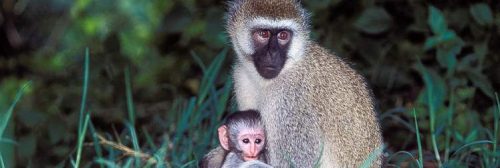
Golden Monkey
In this guide, we explore golden monkey facts, their habitat, behavior, diet, and why tracking them should be part of your Uganda or Rwanda safari itinerary.
What Are Golden Monkeys?
The golden monkey is a rare primate species scientifically known as Cercopithecus mitis kandti. These monkeys are considered endangered because their population is relatively small and restricted to a limited geographic region.
Today, scientists estimate that there are about 4,000 golden monkeys living in the wild. Their entire population exists within the Virunga volcanic mountain region, which spans across:
- Southwestern Uganda
- Northern Rwanda
- Eastern Democratic Republic of Congo
Because they live only in this region, golden monkeys are considered endemic to the Virunga Mountains, making them one of the most unique primates in Africa.
Where to See Golden Monkeys in Africa
Golden monkeys can only be seen in three protected national parks located within the Virunga range. These include:
- Mgahinga Gorilla National Park (Uganda)
- Volcanoes National Park (Rwanda)
- Virunga National Park (Democratic Republic of Congo)
Among these destinations, Mgahinga Gorilla National Park in Uganda is one of the best places to enjoy a golden monkey tracking experience. The park’s bamboo forests provide the perfect environment for these primates.
Because the parks lie close to each other, visitors can combine golden monkey tracking with gorilla trekking safaris in the same region.
-
Unique Physical Characteristics of Golden Monkeys
One of the most recognizable golden monkey facts is their striking appearance. Their name comes directly from their beautiful fur coloration.
Golden monkeys have:
- Bright golden-orange fur patches on their backs and cheeks
- Darker fur on their arms, legs, and face
- Long tails that help them balance while moving through trees
These contrasting colors make them stand out from other monkey species found in African forests.
In terms of size, golden monkeys are relatively small primates:
- Male length: 48–67 cm
- Female length: 46–53 cm
Male golden monkeys usually weigh between 4.5 and 7 kilograms, while females weigh between 3.5 and 4.5 kilograms.
Although they are smaller than gorillas and chimpanzees, their energetic and playful nature makes them extremely entertaining to observe.
-
Habitat and Environment
Golden monkeys thrive in high-altitude forests, particularly areas with large bamboo vegetation. The bamboo forests found in the Virunga Mountains provide them with both shelter and food.
Their habitat typically includes:
- Dense bamboo forests
- Mountain vegetation zones
- Areas rich in fruits and plant species
During the rainy season, bamboo shoots become abundant. As a result, golden monkeys often remain in bamboo areas where food is easily available.
However, during the dry season, when bamboo becomes scarce, some groups move to other parts of the mountains to search for fruits, leaves, and other plants.
-
Diet of Golden Monkeys
Another interesting golden monkey fact is their primarily herbivorous diet.
Golden monkeys feed on a wide variety of plant materials. Their diet mainly includes:
- Bamboo shoots and bamboo leaves
- Wild fruits
- Leaves from various plants
- Flowers and tree buds
In addition, golden monkeys sometimes consume small insects found on leaves, although plants remain their primary food source.
Scientists have identified more than 20 different plant species that form part of the golden monkey diet.
Because bamboo is available throughout much of the year, it remains the most consistent food source for these primates.
-
Social Behavior and Group Structure
Golden monkeys are highly social animals that live in large groups. A typical group can contain 30 to 80 individuals, although group sizes vary depending on habitat conditions.
Each group is usually led by a dominant male, who has breeding rights with the females in the group.
Interestingly, female golden monkeys play a key role in:
- Protecting young offspring
- Maintaining group stability
- Defending the territory
Another fascinating aspect of their behavior is their sleeping arrangements. Golden monkeys often sleep in groups within dense bamboo areas where the vegetation provides shelter from cold mountain temperatures.
In some cases, they even weave bamboo stems together to create sleeping platforms, which is a rare behavior among monkeys.
-
Reproduction and Lifecycle
Golden monkeys have a relatively short reproductive cycle compared to larger primates.
Some key lifecycle facts include:
- Gestation period: about five months
- Infants are born with fur and open eyes
- Mothers care for infants for up to two years
Unlike many animals where males initiate mating, female golden monkeys often initiate the mating process.
As young monkeys grow older, they may either remain in their original group or move to join other groups within the forest.
Golden monkeys can live up to 19 years in the wild, which is relatively long for smaller monkey species.
Why Golden Monkey Tracking is Special
Golden monkey tracking is a unique wildlife experience that allows visitors to observe these primates in their natural mountain forest habitat.
Unlike gorilla trekking, golden monkeys are:
- Extremely playful
- Highly active
- Often moving quickly through bamboo trees
This energetic behavior makes the tracking experience lively and exciting for visitors.
Additionally, golden monkey tracking is usually less crowded than gorilla trekking, providing a more relaxed wildlife encounter.
Combining Golden Monkey Tracking with Other Safaris
Many travelers combine golden monkey tracking with other popular safari activities in Uganda and Rwanda.
These experiences often include:
- Mountain gorilla trekking
- Chimpanzee tracking
- Wildlife safaris in savannah parks
- Cultural visits to local communities
Because Uganda is home to over 20 primate species, it is one of the best destinations in Africa for primate safaris.
Why Golden Monkeys Are Important for Conservation
Golden monkeys play an important role in maintaining the balance of the forest ecosystem. By feeding on fruits and plants, they help with seed dispersal, which contributes to forest regeneration.
However, their limited habitat means conservation efforts are essential to protect their future.
Protected areas such as Mgahinga Gorilla National Park help ensure that golden monkey populations remain stable for future generations.
How to Book a Golden Monkey Safari with Chimp Homes Uganda Safaris
If you are interested in experiencing golden monkey tracking in Uganda, the best way to plan your adventure is with an experienced safari operator.
Chimp Homes Uganda Safaris organizes customized wildlife and primate safaris across Uganda, Rwanda, and East Africa. Our team helps travelers plan unforgettable trips that include gorilla trekking, golden monkey tracking, chimpanzee encounters, and classic wildlife safaris.
Our safari services include:
- Golden monkey tracking permits and tour arrangements
- Customized Uganda safari itineraries
- Professional and knowledgeable safari guides
- Comfortable safari transportation and accommodation options
To start planning your golden monkey safari in Uganda, contact Chimp Homes Uganda Safaris today and let our experts design the perfect wildlife adventure for you.
Call Us: +256742874045
or +256 703903243
Email Us: info@chimphomesafaris.com
Gmail: chimphomesugandasafaris@gmail.com