The Ultimate Guide to Hippo Facts in Africa
March 29, 2026
The Ultimate Uganda Safari for Women Guide
March 31, 2026
The Ultimate Guide to Staying Healthy on Uganda Safari
The Ultimate Guide to Staying Healthy on Uganda Safari- Planning a safari in Uganda is an exciting experience filled with adventure, wildlife encounters, and unforgettable landscapes. However, staying healthy on a Uganda safari is essential if you want to fully enjoy every moment of your journey.
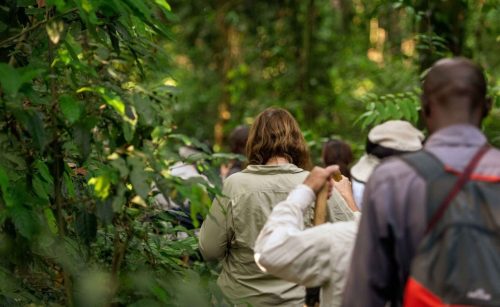
From gorilla trekking in the rainforest to wildlife game drives in open savannah parks, safari activities can be physically demanding. Therefore, preparing properly and following simple health precautions can make a big difference during your trip.
In this guide, we explore important health tips for Uganda safaris, including vaccinations, food safety, packing advice, and travel safety tips to help you stay healthy throughout your adventure.
Uganda Safari
Consult Your Doctor Before Traveling
Before traveling to Uganda, it is highly recommended to consult your doctor several months before your departure. Medical professionals can advise you on vaccinations, medications, and other health precautions based on your medical history.
Every traveler has different health conditions. Therefore, professional advice will help you prepare better for your safari and avoid unnecessary health risks.
-
Get Travel Insurance
One of the most important steps when planning an international safari is purchasing travel insurance.
Travel insurance provides coverage for:
- Medical emergencies
- Hospital visits
- Trip cancellations
- Lost luggage
Although no one hopes to use travel insurance, it provides peace of mind in case unexpected situations occur. Uganda has good private hospitals, especially in major cities such as Kampala and Entebbe, but medical care can be expensive without insurance.
Therefore, travel insurance helps protect both your health and your finances.
-
Yellow Fever Vaccination
A Yellow Fever vaccination is mandatory for travelers entering Uganda. The vaccination protects against a virus transmitted by mosquitoes in tropical regions.
Uganda requires visitors to present a Yellow Fever vaccination certificate upon arrival at Entebbe International Airport.
Important points to remember:
- The vaccine must be taken at least 10 days before travel.
- A single vaccination provides lifetime protection.
- You must carry your vaccination certificate when entering the country.
Getting vaccinated protects both you and other travelers from potential outbreaks.
-
Drink Safe Bottled Water
Hydration is extremely important during a safari, especially because Uganda’s climate can be warm throughout the year.
However, travelers should avoid drinking tap water. Instead, it is recommended to drink bottled mineral water during your trip.
Bottled water is widely available in shops, hotels, and supermarkets. Many safari vehicles also carry drinking water for guests during long drives.
Popular bottled water brands in Uganda include:
- Rwenzori Mineral Water
- Highland Water
- Aqua Sipi
Additionally, always dispose of plastic bottles responsibly to protect the environment and wildlife.
-
Be Careful Around Open Water Bodies
Uganda is home to many lakes and rivers, which can sometimes tempt travelers to swim. However, not all water bodies are safe for swimming.
For example, Lake Victoria and rivers near Murchison Falls National Park may contain crocodiles or hippos. In addition, some lakes may carry water-borne infections such as bilharzia.
However, some lakes are considered safe for swimming, including Lake Bunyonyi, which is well known for its clean and safe waters.
Before swimming anywhere, always ask your guide or lodge staff for advice.
Many safari lodges also offer swimming pools as a safe alternative.
-
Respect Wildlife and Follow Safety Rules
While on safari, you will encounter incredible wildlife. However, maintaining a safe distance from animals is extremely important.
For example, during gorilla trekking in Bwindi Impenetrable National Park, visitors must stay about 7 meters (around 20 feet) away from the gorillas.
Following these rules protects both visitors and animals.
Additionally, avoid using flash photography when photographing wildlife. Flash can disturb animals and may cause stress or unpredictable behavior.
Listening carefully to your safari guide will ensure a safe and enjoyable wildlife experience.
-
Pack the Right Clothing and Gear
Packing correctly plays a major role in staying comfortable and healthy on safari.
Uganda’s tropical climate and forest environments require practical clothing. Recommended items include:
- Lightweight long-sleeved shirts
- Long trousers for insect protection
- Waterproof rain jacket
- Hiking boots for trekking
- Hat and sunglasses
- Insect repellent
For activities such as gorilla trekking, long socks are helpful for protecting your legs from insects and plants.
Packing smartly will help you stay comfortable throughout your safari.
-
Eat Safe and Healthy Food

Uganda Safari
Uganda offers a wide variety of delicious foods. Many hotels and lodges serve international cuisine alongside local dishes.
You can safely enjoy Ugandan foods such as:
- Fresh tropical fruits
- Local stews and vegetables
- Traditional dishes served at hotels and restaurants
However, travelers should avoid buying food from unknown roadside vendors unless recommended by a trusted guide.
If you have dietary restrictions or food allergies, inform your tour operator and accommodation in advance so that proper arrangements can be made.
-
Carry a Personal First Aid Kit
Although safari vehicles and lodges often carry medical supplies, it is still helpful to bring a personal first aid kit.
A basic safari first aid kit should include:
- Pain relief medication
- Anti-diarrhea medicine
- Anti-malarial tablets (if prescribed)
- Bandages and plasters
- Antibacterial cream
- Sunscreen
- Insect repellent
If you take prescription medication, carry enough supplies for your entire trip since some medicines may not be easily available in remote areas.
-
Safety Tips to Remember
In addition to health precautions, general safety practices are also important during your trip.
Travelers should avoid:
- Traveling alone at night in unfamiliar areas
- Using unknown motorcycle taxis (locally called boda-bodas)
- Carrying large amounts of visible cash
- Engaging in illegal activities
The safest option is always to travel with a trusted tour operator and an experienced local guide who understands the destination well.
Final Thoughts
Staying healthy on a Uganda safari is not complicated. With proper preparation, good hygiene practices, and guidance from experienced tour operators, travelers can enjoy a safe and unforgettable wildlife adventure.
Simple precautions such as drinking safe water, packing correctly, respecting wildlife, and consulting your doctor before traveling will help ensure a smooth and enjoyable trip.
Uganda offers some of the most incredible wildlife experiences in Africa, and staying healthy allows you to fully enjoy every moment of your journey.
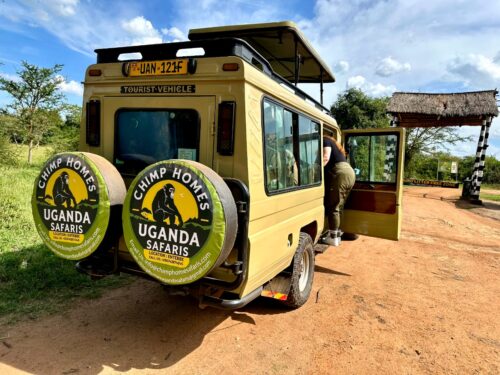
How to Book a Safari with Chimp Homes Uganda Safaris
If you are planning a safari in Uganda, Chimp Homes Uganda Safaris can help you organize a safe and memorable experience.
Booking your safari is simple:
- Contact Chimp Homes Uganda Safaris through email or WhatsApp.
- Share your travel dates, number of travelers, and preferred safari activities.
- Our safari experts will create a customized itinerary based on your interests and budget.
- Confirm your booking and prepare for your Uganda adventure.
Uganda’s Crested Crane
Chimp Homes Uganda Safaris organizes wildlife safaris, gorilla trekking, chimpanzee tracking, cultural tours, and birdwatching experiences across Uganda’s national parks.
With proper planning and expert guidance, your Uganda safari will be both exciting and healthy from start to finish.
Call Us: +256742874045
or +256 703903243
Email Us: info@chimphomesafaris.com
Gmail: chimphomesugandasafaris@gmail.com