The Ultimate Guide to the Best Time to Visit Rwanda
January 3, 2026
The Ultimate Guide to Gorilla Trekking Mistakes to Avoid
January 5, 2026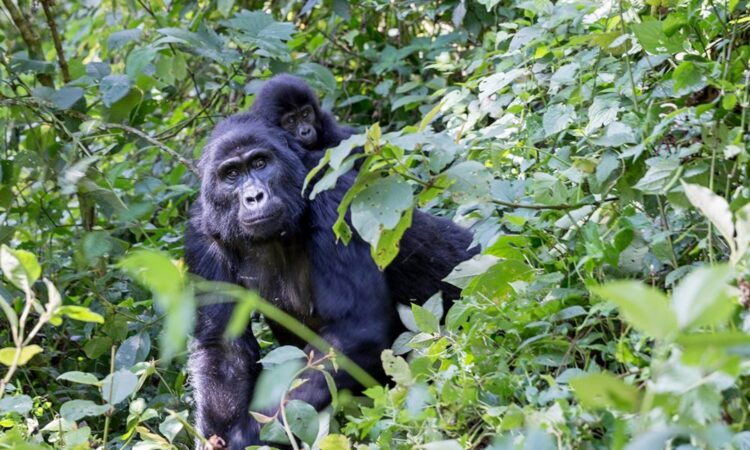
The Ultimate Guide to Gorilla Movement in Rwanda
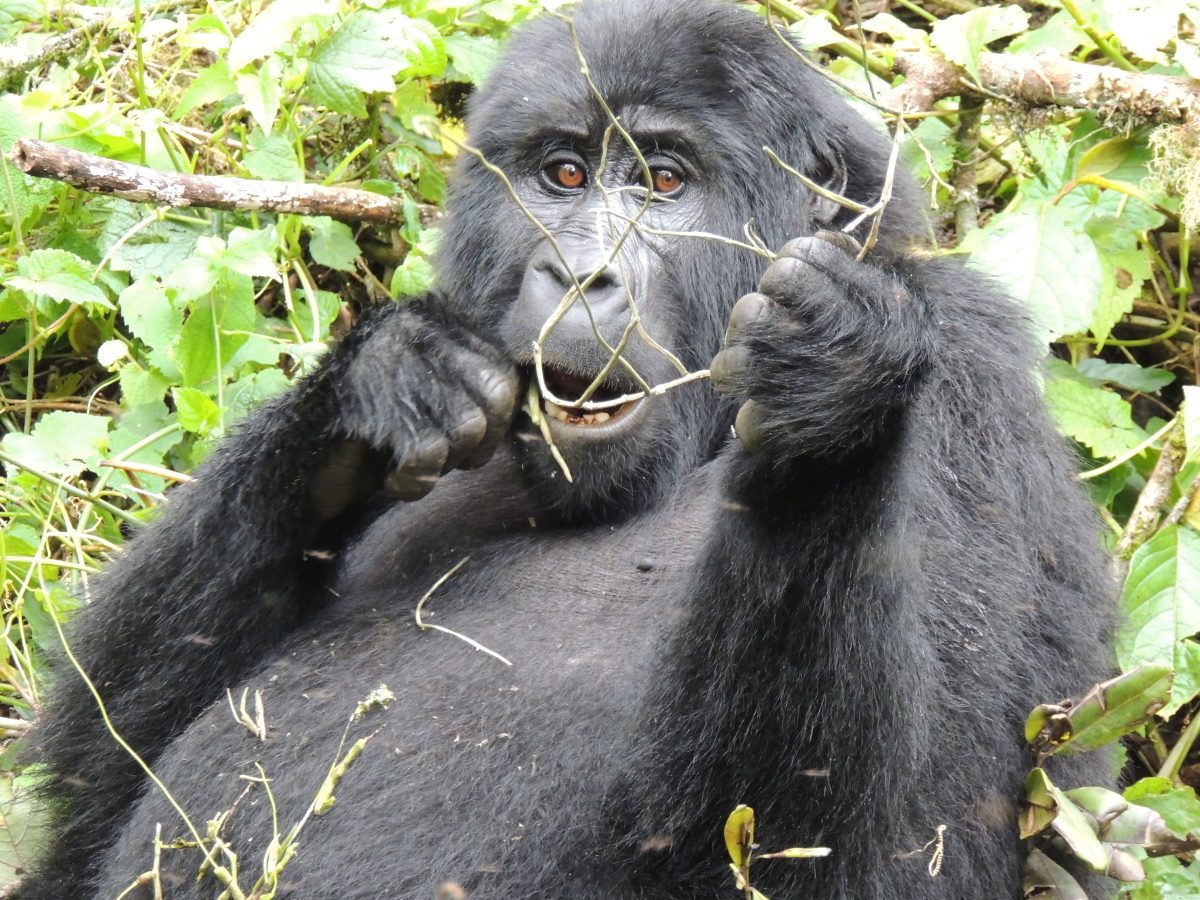
The Ultimate Guide to Gorilla Movement in Rwanda- Gorillas are among the most fascinating primates in Africa, not only because of their size and intelligence but also because of how they move within their natural habitats. Understanding gorilla movement mechanisms in Rwanda helps travelers, researchers, and wildlife enthusiasts better appreciate how these great apes survive, feed, socialize, and protect themselves in the wild.
Rwanda’s Great Ape
In this guide, we explore the five major movement mechanisms of gorillas in Rwanda, explaining how each mode of movement supports their daily life in Volcanoes National Park.
Understanding Gorilla Movement in Rwanda
Mountain gorillas are warm-blooded mammals that move in different ways depending on their environment, age, activity, and situation. Unlike humans, who rely mainly on bipedal walking, gorillas use multiple movement styles to navigate dense forests, climb trees, search for food, play, and escape danger.
These movement mechanisms are essential for survival, allowing gorillas to adapt quickly to changing conditions in their habitat.
-
Tree Climbing in Gorillas
Although gorillas are primarily ground-dwelling animals, tree climbing plays an important role in their daily activities. Gorillas spend approximately 5–20% of their time in trees, mainly to forage for fruits or to play.
Young gorillas are especially active climbers and often use trees as playgrounds. They rely on strong limbs, curved fingers, powerful toes, and gripping ability to move among branches. However, adult mountain gorillas, particularly silverbacks, climb less frequently due to their heavy body weight.
In contrast, western lowland gorillas climb trees more often because their forest environment and tree structures better support their weight.
-
Bipedal Walking (Walking on Two Legs)
Although rare, bipedal movement is another gorilla movement mechanism observed in Rwanda. Gorillas may stand or walk briefly on two legs when carrying food, holding infants, reaching for vegetation, or displaying dominance.
Juveniles use bipedal walking more frequently than adults. Adult gorillas usually walk upright only for short distances, often during chest-beating displays or when surveying their surroundings.
-
Brachiation (Arm Swinging)
Brachiation, or arm swinging, involves moving from branch to branch using the arms. This movement is supported by gorillas’ long arms, strong shoulders, curved fingers, and stable spine.
Although more common in lighter primates, gorillas—especially younger ones—use brachiation when feeding in trees or moving short distances above the ground. However, gorillas generally travel shorter distances than humans, often less than one mile per day, because their plant-based diet is widely available.
-
Quadrupedal Movement (Knuckle-Walking)
Knuckle-walking is the most common and recognizable gorilla movement mechanism. In this style, gorillas move on all fours while resting their weight on the knuckles of their hands rather than their palms.
This posture protects their hands, provides balance, and supports their large body mass while moving across uneven terrain. Knuckle-walking is the primary form of locomotion for adult gorillas and is the movement style most often seen during gorilla trekking experiences.
-
Locomotion in Infant Gorillas
Infant gorilla movement is closely linked to maternal care. Newborn gorillas are carried on their mother’s chest, supported by one arm while the mother moves on three limbs.
As infants grow stronger, they begin clinging to their mother’s body and later ride on her back. Eventually, mothers resume normal quadrupedal walking. Older siblings may also carry younger infants during play, helping them develop strength and coordination.
Where to See Mountain Gorillas in Rwanda
Mountain gorillas in Rwanda are protected within Volcanoes National Park, one of Africa’s premier gorilla trekking destinations. Visitors come from around the world to observe gorilla behavior, including feeding, social interaction, and the various movement mechanisms discussed above.
Access to the park requires a valid gorilla trekking permit, which allows visitors to spend one hour observing a habituated gorilla family in their natural environment.
Conclusion
Understanding the five major movement mechanisms of gorillas in Rwanda enhances your appreciation of these incredible primates. Each movement style plays a vital role in feeding, social bonding, parenting, and survival, making gorillas one of the most adaptable mammals in the wild.
How to Book a Gorilla Safari with Chimp Homes Uganda Safaris
Gorilla Trekking
Chimp Homes Uganda Safaris offers expertly guided gorilla trekking safaris in Rwanda and Uganda. Our experienced team handles permits, accommodation, transport, and professional guides to ensure a seamless and educational gorilla trekking experience.
Contact Chimp Homes Uganda Safaris today to plan your unforgettable journey to see mountain gorillas in their natural habitat.
Phone: +256 742 874045 / +256 703 903243
Email: info@chimphomesafaris.com
Gmail: chimphomesugandasafaris@gmail.com