The Ultimate Guide: How Strong Is a Gorilla
March 17, 2026
The Ultimate Guide to Top Things to Do in Entebbe
March 19, 2026
Ultimate Guide: Blackback vs Silverback Gorilla
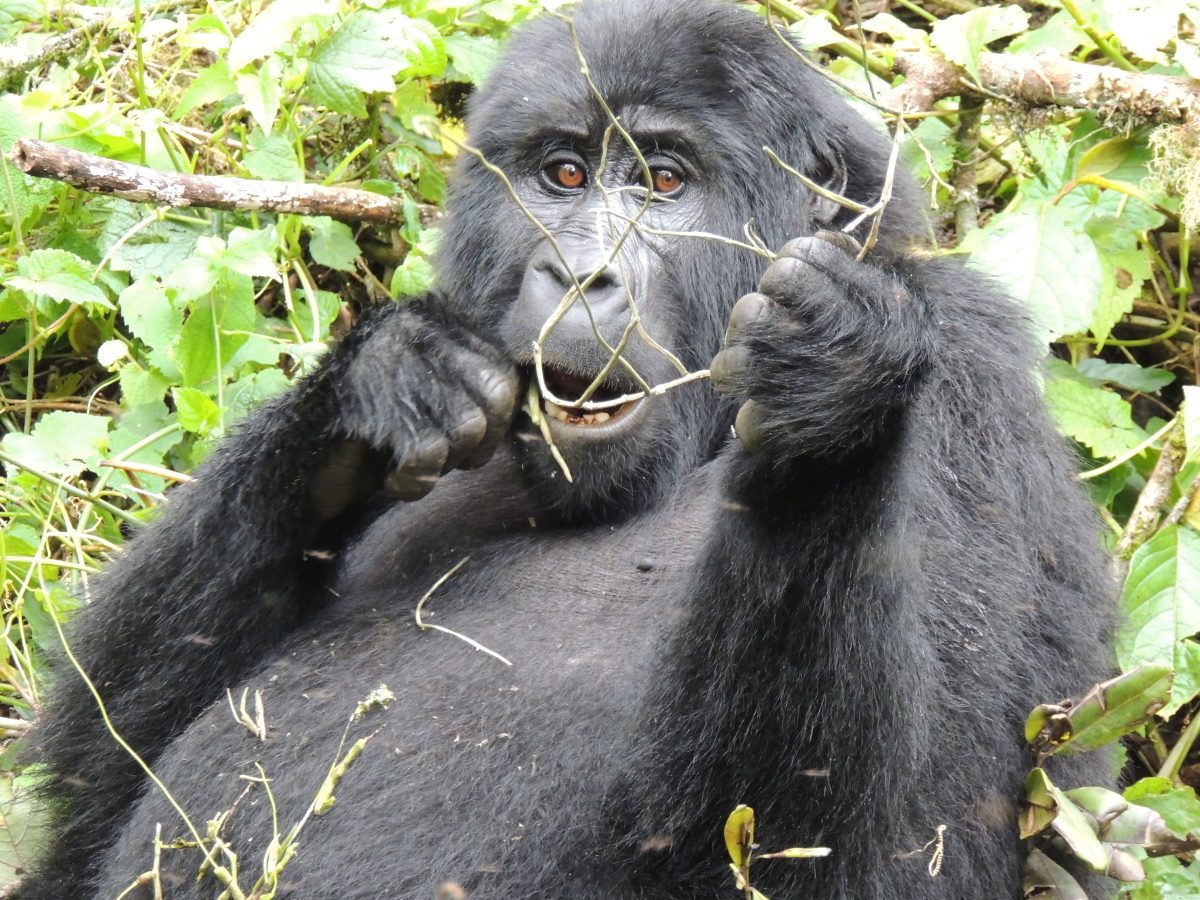
Ultimate Guide: Blackback vs Silverback Gorilla- Blackback vs Silverback Gorilla is one of the most fascinating topics for wildlife enthusiasts planning a gorilla trekking safari in Africa. When trekking through the misty forests of Uganda or Rwanda, visitors often notice that male gorillas in a troop look different. Some have entirely black fur, while others have a distinctive silver patch on their backs.
These two types of males are known as blackback gorillas and silverback gorillas, and their differences go far beyond appearance. Understanding the differences between them helps travelers appreciate the complex social structure of gorilla families.
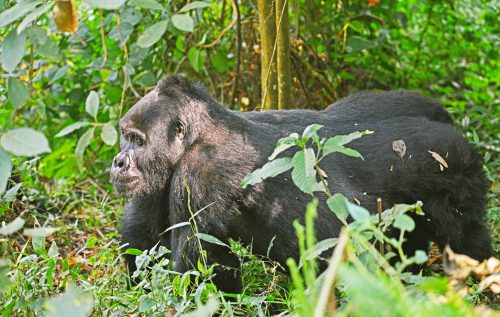
Gorilla Trekking
In this guide, you will learn the key differences between blackback and silverback gorillas, including their roles in the troop, physical characteristics, strength, and behavior. You will also discover where to see them in the wild and how to plan a gorilla trekking safari.
Understanding the Blackback Gorilla
A blackback gorilla is a young adult male gorilla that is still developing into full maturity. These gorillas are typically between 8 and 12 years old.
At this stage, the male gorilla is strong and physically capable, but he has not yet developed the silver-gray hair that defines a silverback. As a result, his fur remains completely black, which is where the name blackback comes from.
Key Characteristics of a Blackback Gorilla
- Age range: 8–12 years
- Fur color: Completely black
- Social status: Subordinate to the dominant silverback
- Role: Supportive protector and developing male
Although blackbacks are strong, they usually do not lead the troop. Instead, they assist the dominant silverback in protecting the group and maintaining order. They also help supervise younger gorillas and juveniles.
In addition, blackbacks rarely mate because the dominant silverback controls breeding rights within the troop. Therefore, blackbacks spend this stage learning survival skills and leadership behaviors.
Understanding the Silverback Gorilla
A silverback gorilla is a fully mature male gorilla, typically 12 years or older. At this age, a male gorilla develops a distinctive silver-gray patch of hair across his back, which gives him the name silverback.
This physical change marks the transition into adulthood and leadership.
Key Characteristics of a Silverback Gorilla
- Age range: 12 years and above
- Fur color: Silver-gray saddle across the back
- Role: Leader of the gorilla troop
- Responsibility: Protection, decision-making, and breeding
The silverback is the dominant leader of the gorilla family. He guides the troop to feeding areas, protects members from predators, and maintains peace within the group.
Furthermore, silverbacks are extremely powerful animals. A mature silverback can weigh up to 180 kilograms and possesses remarkable strength used to defend the troop from threats.
Blackback vs Silverback Gorilla: Key Differences
Although blackbacks and silverbacks are both adult male gorillas, their roles within the troop differ significantly.
Age and Maturity
Blackbacks are younger males still developing, whereas silverbacks are mature males who have reached full adulthood.
Physical Appearance
The most noticeable difference is the silver saddle on the back of mature males. Blackbacks lack this feature because they have not yet reached full maturity.
Leadership Roles
Blackbacks follow the silverback and assist him, while the silverback leads and controls the troop.
Mating Rights
The silverback usually has exclusive breeding rights with females. Blackbacks rarely mate while the dominant leader is present.
Strength and Size
Although blackbacks are strong animals, silverbacks are significantly larger and more muscular.
The Social Structure of Gorilla Families
Mountain gorillas live in organized family groups known as troops. These groups often include:
- One dominant silverback
- Several adult females
- Juvenile gorillas
- Infants
- Occasionally one or more blackbacks
The silverback plays the most important role in maintaining group stability. He decides where the troop travels, where they feed, and when they rest.
Meanwhile, blackbacks support the troop by assisting in protection and helping manage younger gorillas.
This structure allows gorilla families to remain organized and safe in the wild.
When Blackbacks Challenge Silverbacks
As blackbacks grow older and stronger, they may begin to challenge the dominant silverback. This usually happens when they reach 12 to 15 years of age.
However, these confrontations rarely involve serious injury. Instead, they consist of displays such as:
- Chest beating
- Loud vocalizations
- Physical posturing
If a blackback wins the challenge, he may become the new leader of the troop. In other cases, the young male may leave the group and form his own troop, attracting females from other groups.
This natural behavior helps maintain genetic diversity among gorillas.
Strength Comparison Between Blackbacks and Silverbacks
Silverbacks are widely known as one of the strongest animals in the forest. A mature silverback has a massive chest, large skull, and incredible muscular strength.
Although blackbacks are powerful, they typically weigh 120 to 150 kilograms, while silverbacks can reach 180 kilograms or more.
As a result, silverbacks dominate physical confrontations and maintain authority within the troop.
The Transformation From Blackback to Silverback
The transition from blackback to silverback is gradual and happens as the gorilla matures.
Around the age of 12 years, hormonal changes begin to occur. During this time:
- Silver-gray hair develops on the back
- Muscle mass increases
- Behavioral maturity becomes evident
Eventually, the gorilla becomes capable of leading his own troop.
However, not every blackback becomes a dominant silverback. Some remain subordinate or live solitary lives.
Best Places to See Blackback and Silverback Gorillas
Travelers interested in seeing these incredible animals can experience gorilla trekking in East Africa. The best locations include several protected forests.
Bwindi Impenetrable National Park
Located in southwestern Uganda, Bwindi is home to nearly half of the world’s mountain gorilla population. It offers some of the most rewarding gorilla trekking experiences in Africa.
Mgahinga Gorilla National Park
This smaller Ugandan park is part of the Virunga mountain range and offers scenic landscapes alongside exceptional gorilla encounters.
Volcanoes National Park
Located in Rwanda, this park is famous for gorilla conservation efforts and stunning volcanic scenery.
Virunga National Park
Situated in the Democratic Republic of Congo, Virunga is Africa’s oldest national park and offers unique trekking opportunities.
Gorilla Conservation and Responsible Tourism
Mountain gorillas remain endangered, with only about 1,000 individuals remaining in the wild.
Fortunately, conservation efforts have helped their numbers gradually increase. One of the most important tools for protecting gorillas is responsible tourism through gorilla trekking.
Gorilla permits and tourism revenue support:
- Anti-poaching patrols
- Wildlife research
- Community development programs
- Habitat protection
Therefore, visiting gorillas responsibly directly contributes to their long-term survival.
Frequently Asked Questions
At what age does a blackback become a silverback?
A blackback usually becomes a silverback between 12 and 15 years of age.
Are blackback gorillas male?
Yes. Blackbacks are always young adult male gorillas.
Can a gorilla troop have more than one silverback?
Yes, some groups have multiple silverbacks, but one remains the dominant leader.
Who is stronger: blackback or silverback?
Silverbacks are stronger due to their larger size and developed muscle structure.
How to Book a Gorilla Safari with Chimp Homes Uganda Safaris

Safaris in Rwanda
Seeing blackback and silverback gorillas in their natural habitat is one of Africa’s most unforgettable wildlife experiences. Gorilla trekking allows travelers to observe these magnificent primates up close while contributing to their conservation.
Chimp Homes Uganda Safaris organizes expertly guided gorilla trekking tours in Bwindi Impenetrable National Park and Mgahinga Gorilla National Park. Our safari packages include gorilla permits, professional guides, comfortable safari vehicles, and carefully selected accommodation.
Call Us: +256742874045
or +256 703903243
Email Us: info@chimphomesafaris.com
Gmail: chimphomesugandasafaris@gmail.com
To plan your gorilla trekking adventure, contact Chimp Homes Uganda Safaris for customized Uganda safari itineraries and expert travel support.