Ultimate Guide to Gorilla Habituation in Uganda
April 24, 2026
Ultimate Guide to Gorilla Behavior
April 26, 2026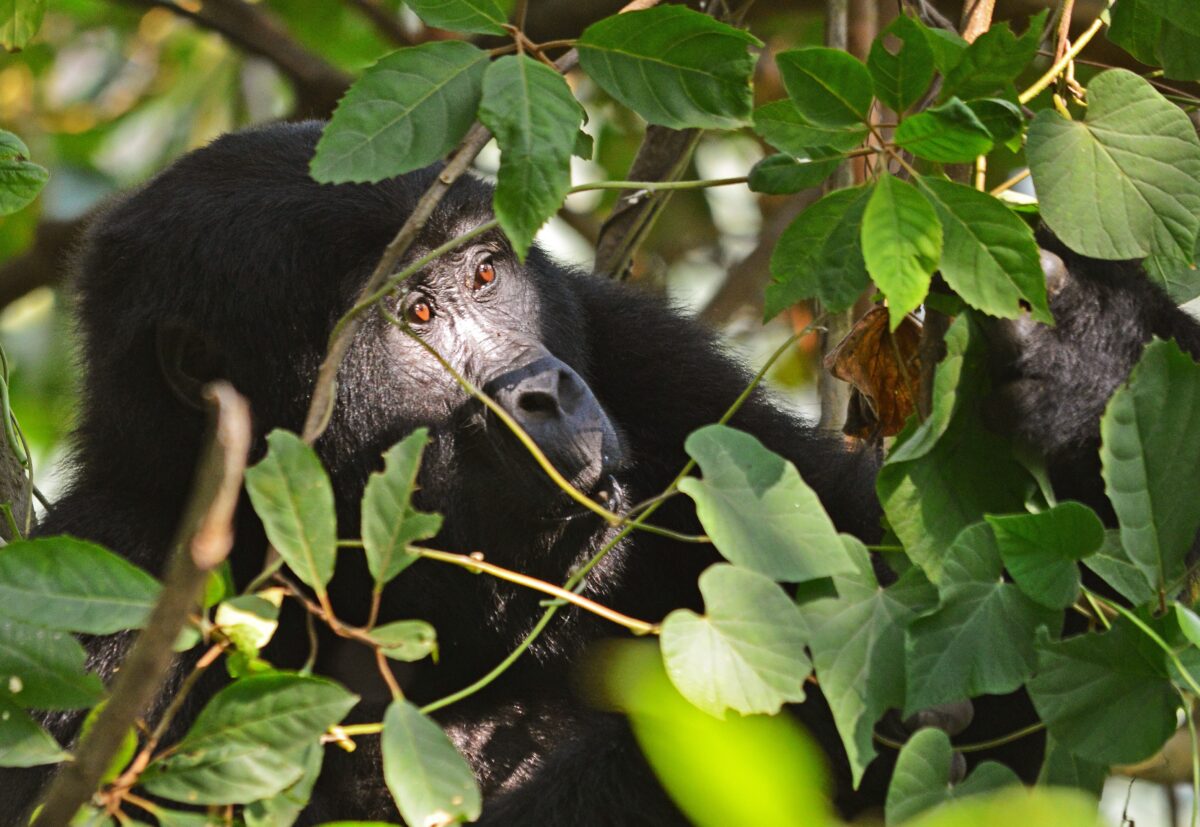
Ultimate Guide to Mountain Gorilla Sounds
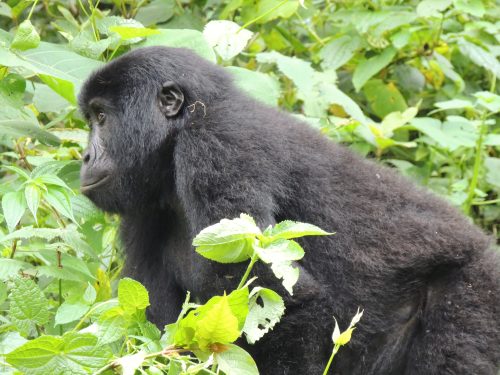
Ultimate Guide to Mountain Gorilla Sounds- Mountain gorilla communication is one of the most fascinating aspects of gorilla trekking in Uganda, Rwanda, and the Democratic Republic of Congo. These incredible primates rely heavily on vocalizations to survive, interact, and maintain strong social bonds in dense rainforest environments.
In this ultimate guide to mountain gorilla communication sounds, we break down the 16 unique vocalizations first documented by primatologist Dian Fossey and explain their meanings, functions, and importance in gorilla society.
Gorilla Trek Guide
Understanding Mountain Gorilla Communication
To begin with, mountain gorillas live in structured family groups known as troops, usually led by a dominant silverback male. Because forests are thick and visibility is limited, they depend on gorilla sounds, body language, and gestures to stay connected.
Moreover, their communication system is not random. It is highly structured and functional, helping them coordinate movement, express emotions, warn of danger, and maintain peace within the group.
Key keywords: mountain gorilla communication, gorilla sounds meaning, gorilla trekking Uganda, gorilla behavior
Why Gorilla Vocalizations Matter in the Wild
In addition to movement coordination, gorilla vocalizations serve several essential purposes:
- Maintaining group unity during travel
- Warning against predators or rival groups
- Strengthening social bonds
- Supporting parenting and infant care
- Expressing dominance or submission
Therefore, understanding these sounds greatly improves the experience of travelers on a gorilla trekking safari in Africa.
The 16 Unique Mountain Gorilla Sounds and Their Meanings
Below is a simplified breakdown of the most important mountain gorilla vocalizations and their meanings.
-
Belch Vocalization
To start with, this deep rumbling sound signals peace and contentment. It is often heard during feeding or resting.
-
Pig Grunt
In addition, this quick nasal sound is used during movement and helps coordinate group direction.
-
Hoot Bark
This loud, explosive call is mainly used during territorial displays between silverbacks.
-
Hoot Series
Moreover, this sequence of rising hoots helps in long-distance communication and group coordination.
-
Chuckle
This playful sound is common among juveniles during wrestling or social play.
-
Whinny
Rare but important, this high-pitched sound is linked to dominance displays or mating behavior.
-
Roar
This is one of the most powerful sounds, used exclusively by silverbacks during threats or aggression.
-
Growl
A warning sound indicating rising tension within the group or toward intruders.
-
Pant Series
This fast breathing sound signals excitement or physical exertion during movement or chase.
-
Question Bark
This curious sound expresses uncertainty and prompts group alertness.
-
Hiccup Bark
Used for mild alerts, especially when something unusual is detected nearby.
-
Screams
Infants use this high-pitched sound to signal distress, danger, or separation.
-
Cry or Whimper
Soft emotional calls used by infants to express hunger or discomfort.
-
Grunt
A versatile sound used for greeting, satisfaction, or mild communication.
-
Grumble
This longer, soothing sound helps calm infants and maintain group peace.
-
Hum or Sing
Finally, this rare but beautiful sound occurs during feeding celebrations and expresses group satisfaction.
How Gorilla Communication Supports Survival
Furthermore, gorilla communication is not limited to sound alone. It works together with:
- Chest beating for dominance display
- Facial expressions like play faces or stares
- Body posture for submission or alertness
- Silence as a strong warning signal
As a result, mountain gorillas maintain highly organized and peaceful social systems.
Conservation Importance of Studying Gorilla Sounds
Importantly, understanding mountain gorilla behavior and communication helps conservationists:
- Track and monitor gorilla groups safely
- Reduce stress during tourism interactions
- Protect endangered populations
- Support anti-poaching efforts
Currently, mountain gorillas remain endangered, making gorilla conservation efforts in Uganda and Rwanda more critical than ever.
Gorilla Trekking and Wildlife Experience in Africa
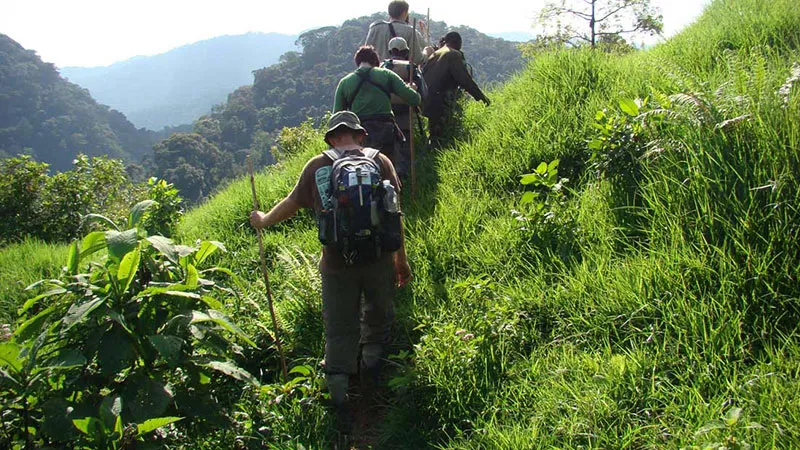
If you are planning a gorilla trekking safari in Uganda or Rwanda, learning about these sounds enriches your experience. You will not just see gorillas—you will understand their emotions, reactions, and social behavior in real time.
Popular destinations include:
- Bwindi Impenetrable National Park (Uganda)
- Mgahinga Gorilla National Park (Uganda)
- Volcanoes National Park (Rwanda)
Final Thoughts on Mountain Gorilla Communication
In conclusion, mountain gorilla communication reveals how intelligent, emotional, and socially complex these great apes truly are. Their 16 vocalizations form a powerful system that ensures survival in the wild and strengthens family bonds.
Therefore, listening carefully during a gorilla trekking safari offers a deeper connection with nature and wildlife.
Book Your Gorilla Safari with Chimp Homes Uganda Safaris
Mountain Gorilla Sounds
If you are inspired to experience mountain gorillas in their natural habitat, you can book your safari with Chimp Homes Uganda Safaris.
They offer:
- Gorilla trekking safaris in Uganda and Rwanda
- Chimpanzee tracking tours
- Wildlife safari packages
- Customized East African travel experiences
To plan your adventure, contact Chimp Homes Uganda Safaris today and start your journey into the heart of Africa’s rainforests.
Call Us: +256742874045
or +256 703903243
Email Us: info@chimphomesafaris.com
Gmail: chimphomesugandasafaris@gmail.com