The Best Places Where to See Zebras in Uganda
December 17, 2025
The Ultimate Guide to Uganda’s Natural Safari Treasures
December 20, 2025
The Ultimate Guide: What to Wear on an East Africa Safari
The Ultimate Guide: What to Wear on an East Africa Safari- Planning a safari in East Africa is an exciting experience, but knowing what to wear is essential for comfort, safety, and enjoyment. Destinations such as Uganda, Rwanda, Kenya, and Tanzania offer diverse adventures, including gorilla trekking, chimpanzee tracking, game drives, walking safaris, and mountain climbing, such as Mount Kilimanjaro.
Because East Africa has varying climates and activities, packing the right safari clothing will greatly enhance your overall experience. This guide explains what to wear on safari, why it matters, and how to prepare properly.

Safari
Understanding Safari Conditions in East Africa
Before packing, it is important to understand the environment. East Africa is largely tropical, but temperatures can vary depending on altitude and time of day. Early mornings and evenings can be cool, while midday temperatures are often warm.
In addition, safari activities may involve long hours in a vehicle, forest walks, hiking, or boating. Therefore, comfort, protection, and practicality should guide your clothing choices.
Key Principles for Safari Clothing
When deciding what to wear on a safari in East Africa, always prioritize:
- Comfort and breathability
- Protection from the sun, insects, and vegetation
- Neutral colors that blend into the natural environment
With these principles in mind, below are the essential safari clothing items.
-
Wide-Brimmed Safari Hat
A wide-brimmed safari hat is one of the most important items to pack. It protects from the tropical sun, especially during walking safaris, horseback riding in places like Lake Mburo, and forest treks.
It is also highly useful during gorilla and chimpanzee trekking, boat cruises on Lake Victoria, Lake Bunyonyi, Lake Mutanda, or Lake Kivu, and fishing safaris along the Nile in Murchison Falls National Park. You may bring one from home or purchase one upon arrival.
-
Comfortable and Protective Clothing
Comfort is the foundation of proper safari wear. Loose-fitting and breathable clothing allows you to move freely and stay cool during the day.
Long-sleeved shirts and long trousers are strongly recommended. They protect against insect bites, thorny vegetation, nettles, and sunburn. While shorts may be suitable around lodges during the day, long trousers are best for nature walks, hikes, and evening activities.
-
Best Colors to Wear on Safari
Color choice plays a significant role in safari clothing:
- Recommended colors: Khaki, beige, olive green, light brown, and other neutral tones
- Colors to avoid: Bright colors, dark blue, and black, as these can attract insects such as tsetse flies
- Camouflage clothing: Avoid camouflage patterns, as they may be mistaken for military attire in some countries
Neutral colors also help you blend into the environment and enhance wildlife viewing.
-
Layering for Changing Temperatures
Safari days often begin with cool mornings and end with chilly evenings. For this reason, layering is essential.
Pack a light jacket, fleece, or sweater for early mornings and evenings. During the day, you can remove layers as temperatures rise. Long sleeves and trousers also provide added protection from insects during dawn and dusk.
-
Footwear for Safari Activities
Choosing the right footwear is crucial:
- Hiking boots: Ideal for gorilla trekking, chimpanzee tracking, forest walks, and mountain hikes. Ankle support is highly recommended.
- Comfortable sneakers: Suitable for game drives, city visits, and light walking.
- Lodge footwear: Sandals or casual shoes are useful around the lodge.
Make sure your footwear is well broken in before your safari to avoid discomfort.
-
Accessories and Essential Items
In addition to clothing, a few accessories will improve your safari experience:
- Insect repellent for protection against mosquitoes
- Sunglasses for sun protection
- Lightweight scarf or buff for dust and sun
- Smart casual outfit for lodge dinners or city stays, especially in places like Nairobi, Mombasa, Kampala, or Entebbe
What to Wear for Gorilla and Chimpanzee Trekking
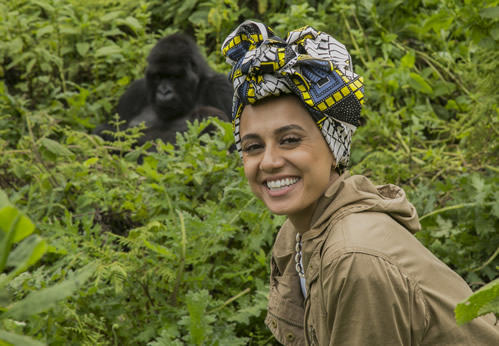
Bwindi N.P
For primate trekking, proper clothing is especially important. Wear long-sleeved shirts, long trousers, sturdy hiking boots, and a hat. Gloves can also be useful for gripping vegetation during steep forest walks.
Final Tips on Safari Packing
Always treat packing lists as a guide. Personal preferences, travel style, and specific activities may influence what you bring. However, following these recommendations ensures you are well prepared for any safari experience in East Africa.
How to Book a Safari
If you are planning a safari in East Africa and need expert guidance, Chimp Homes Uganda Safaris offers professionally guided tours across Uganda, Rwanda, Kenya, and Tanzania. We specialize in gorilla trekking, chimpanzee safaris, wildlife game drives, and tailor-made safari experiences.
To book your safari or request more information:
Let Chimp Homes Uganda Safaris help you plan a comfortable, well-prepared, and unforgettable East African safari experience.
Phone: +256 742 874045 / +256 703 903243
Email: info@chimphomesafaris.com
Gmail: chimphomesugandasafaris@gmail.com