The Top 5 Waterfalls in Uganda’s Lush Jungles
March 1, 2026
The Ultimate Guide to Gorilla Trekking Permit Changes in Uganda
March 3, 2026
The Ultimate Guide to Uganda National Park Rules
The Ultimate Guide to Uganda National Park Rules- Uganda is one of Africa’s top safari destinations, home to diverse ecosystems ranging from dense tropical rainforests to open savannahs and towering mountain ranges. To protect this natural heritage and ensure visitor safety, Uganda National Parks operate under strict rules and regulations.
Understanding these guidelines is essential for anyone planning Uganda safaris, whether you’re visiting for wildlife viewing, gorilla trekking, mountain hiking, or cultural experiences. This guide explains the key park rules, primate trekking regulations, hiking guidelines, and practical travel tips.

National Park Rules
Why Rules Matter on Uganda Safaris
Uganda’s national parks are managed by the Uganda Wildlife Authority (UWA) with a strong conservation mission: “Conserving for Generations.” These regulations help to:
- Protect wildlife and fragile ecosystems
- Ensure visitor safety
- Promote responsible and sustainable tourism
- Minimize human impact on natural habitats
By following park rules, visitors directly contribute to the long-term survival of Uganda’s biodiversity.
Types of National Parks in Uganda
Uganda’s protected areas fall into three main categories:
Savannah National Parks
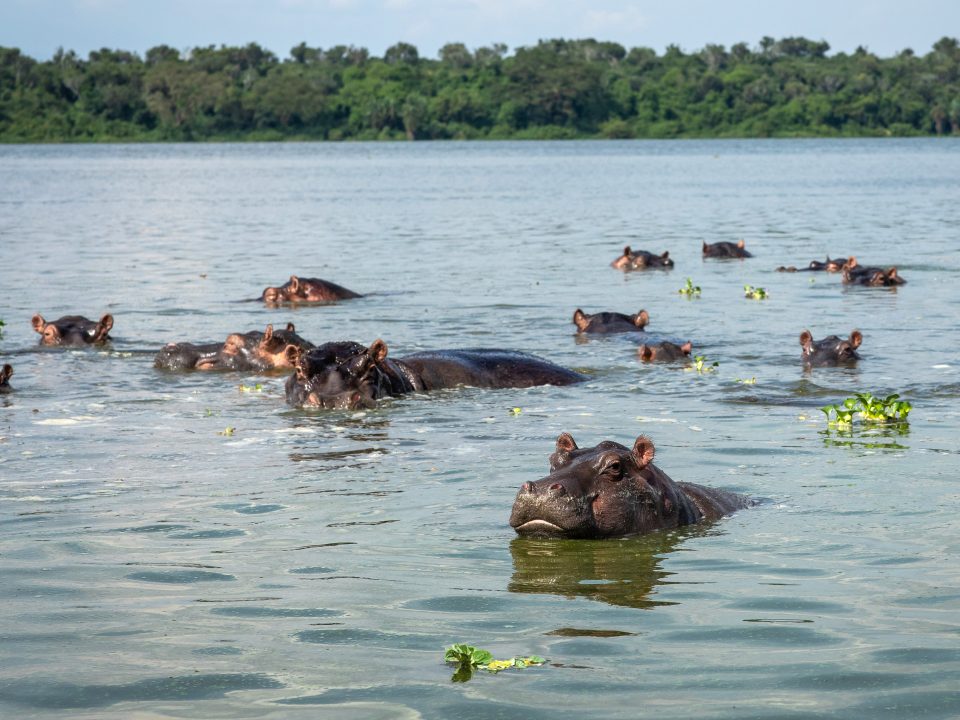
These include Murchison Falls National Park, Queen Elizabeth National Park, and Kidepo Valley National Park, famous for classic game drives and large mammals.
Forest National Parks
Parks such as Bwindi Impenetrable National Park and Kibale National Park are renowned for primate trekking and rich biodiversity.
Montane National Parks
Mountain parks include Rwenzori Mountains National Park, Mount Elgon National Park, and Mgahinga Gorilla National Park, ideal for hiking and mountaineering adventures.
Each park category has specific rules designed to suit its environment and activities.
General Rules and Regulations in Uganda National Parks
The following rules apply across all national parks in Uganda:
- Stay on designated roads and walking trails at all times.
- Do not exceed the speed limit of 40 km/h inside the parks.
- Off-road driving and walking are strictly prohibited.
- Firearms and ammunition are not allowed without official authorization.
- Avoid unnecessary noise, including excessive use of car horns.
- Park gates open at 7:00 am and close at 6:30 pm—arrive on time.
- Camping is only permitted at designated campsites.
- Littering is strictly forbidden—carry all waste out of the park.
- Do not cut, damage, or remove vegetation.
- Domestic animals and pets are not allowed inside parks.
Rules for Primate Trekking in Uganda
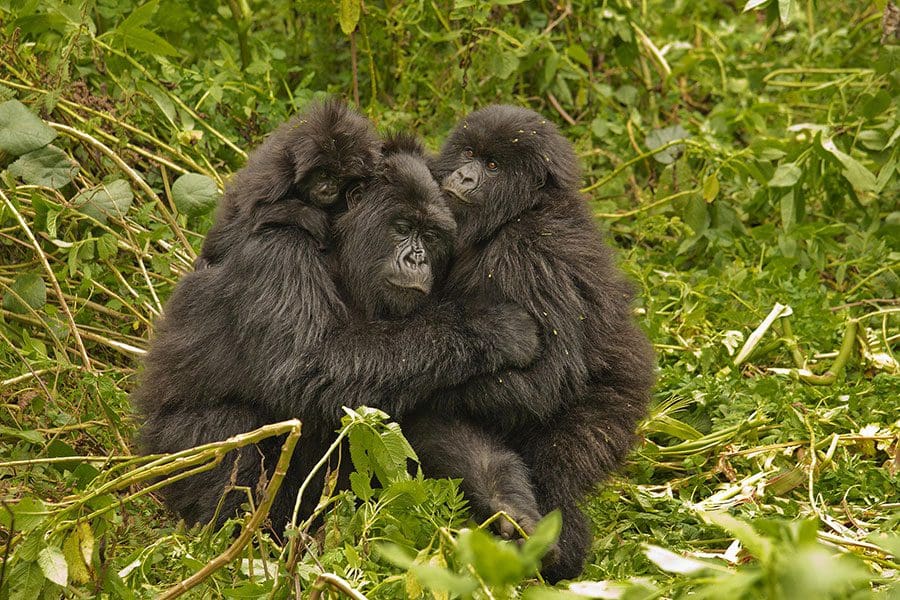
Primate trekking is one of the highlights of Uganda wildlife safaris, especially in Bwindi, Mgahinga, and Kibale National Parks. Due to the sensitivity of primates, strict rules apply:
- Do not trek if you are sick—postponement or refunds may apply.
- Maintain a distance of 7–8 meters from primates.
- A maximum of 8 visitors is allowed per primate group.
- Trekking time with primates is limited to 1 hour.
- Flash photography is strictly prohibited.
- Keep voices low and avoid sudden movements.
- Do not touch primates under any circumstances.
- No eating, drinking, or smoking near primates.
- Wash hands before trekking to prevent disease transmission.
- Avoid bright or shouting-colored clothing.
- Stay together as a group—do not scatter.
- All human waste must be buried in deep pits.
These rules protect primates from human diseases and stress while ensuring safe encounters.
Rules for Hiking Mount Rwenzori and Mount Elgon
Mountain hiking in Uganda is highly regulated for safety and environmental protection:
- Always follow instructions from official park guides.
- Respect the limit of 16 hikers per hut per night.
- Making fires using local firewood is prohibited.
- Do not create new trails—use established paths only.
- Share hut facilities respectfully with other hikers.
- Keep noise levels low to preserve the natural environment.
What to Pack for a Uganda Safari
Clothing
- Lightweight, breathable long-sleeved clothing
- Sturdy hiking boots
- Rain jacket
- Warm layers for evenings and high altitudes
- Wide-brimmed hat
Essentials
- Sunscreen (high SPF)
- Insect repellent
- Binoculars
- Camera
Health & Safety
- Basic first aid kit
- Refillable water bottle
- Travel insurance documents
Other Useful Items
- Daypack
- Headlamp or flashlight
- Guidebooks or maps
- Notebook and pen
Best Time to Visit Uganda for Safaris
Dry Seasons
- December–February
- June–August
Best for wildlife viewing, gorilla trekking, and hiking due to dry trails and easier access.
Wet Seasons
- March–May
- September–November
Ideal for birdwatching, lush landscapes, and fewer tourists.
How to Book Your Uganda Safari with Chimp Homes Uganda Safaris
Attractions in Semuliki National Park
At Chimp Homes Uganda Safaris, we specialize in responsible, well-planned safaris that fully comply with Uganda Wildlife Authority regulations. Our expert team ensures your safari is safe, ethical, and unforgettable.
Why Choose Chimp Homes Uganda Safaris
- Tailor-made safari itineraries
- Experienced professional guides
- Reliable 4×4 safari vehicles
- Gorilla trekking permit assistance
- Commitment to conservation and community tourism
Book Your Safari Today
Email: info@chimphomesafaris.com
WhatsApp / Call: +256 742 874045 | +256 703 903243
Website: https://chimphomesafaris.com
Travel responsibly. Explore confidently.
Chimp Homes Uganda Safaris — your trusted partner for authentic Uganda safaris.