The Ultimate Guide to Rwanda National Parks-Rwanda Safaris
March 11, 2026
The Ultimate Guide to Gorilla Intelligence
March 13, 2026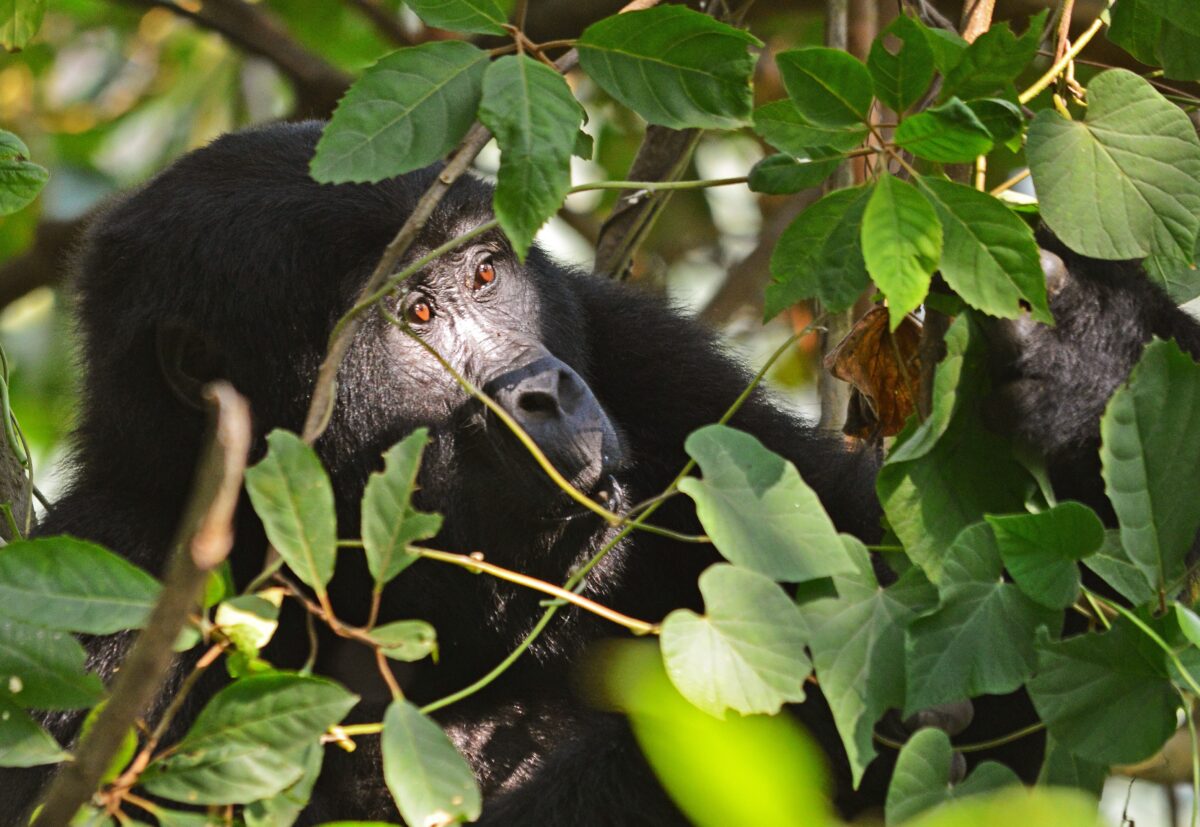
The Ultimate Guide to Uganda Gorilla & Chimp Trekking Rules
The Ultimate Guide to Uganda Gorilla & Chimp Trekking Rules- Uganda, widely known as the Pearl of Africa, offers some of the most extraordinary wildlife experiences in the world. Among the highlights are gorilla trekking and chimpanzee trekking, two activities that allow visitors to observe great apes in their natural habitat.
However, because these primates are endangered and share over 98% of their DNA with humans, strict regulations are enforced to protect both visitors and wildlife. The Uganda Wildlife Authority (UWA) has introduced updated guidelines for 2026 that promote responsible tourism, conservation, and visitor safety.
This guide explains the essential rules, permit requirements, and trekking regulations for gorilla and chimpanzee trekking in Uganda, helping you prepare for a safe and responsible safari.
Permit Requirements for Gorilla and Chimpanzee Trekking
Before participating in any primate trekking activity in Uganda, visitors must obtain the appropriate permit.
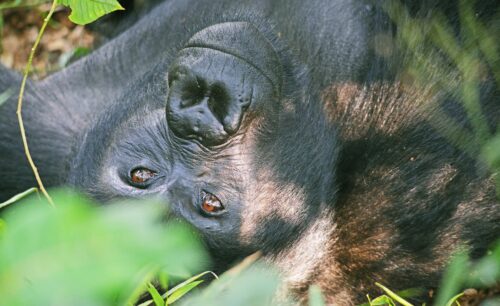
Gorilla & Chimp Trekking
Gorilla Trekking Permit (2026)
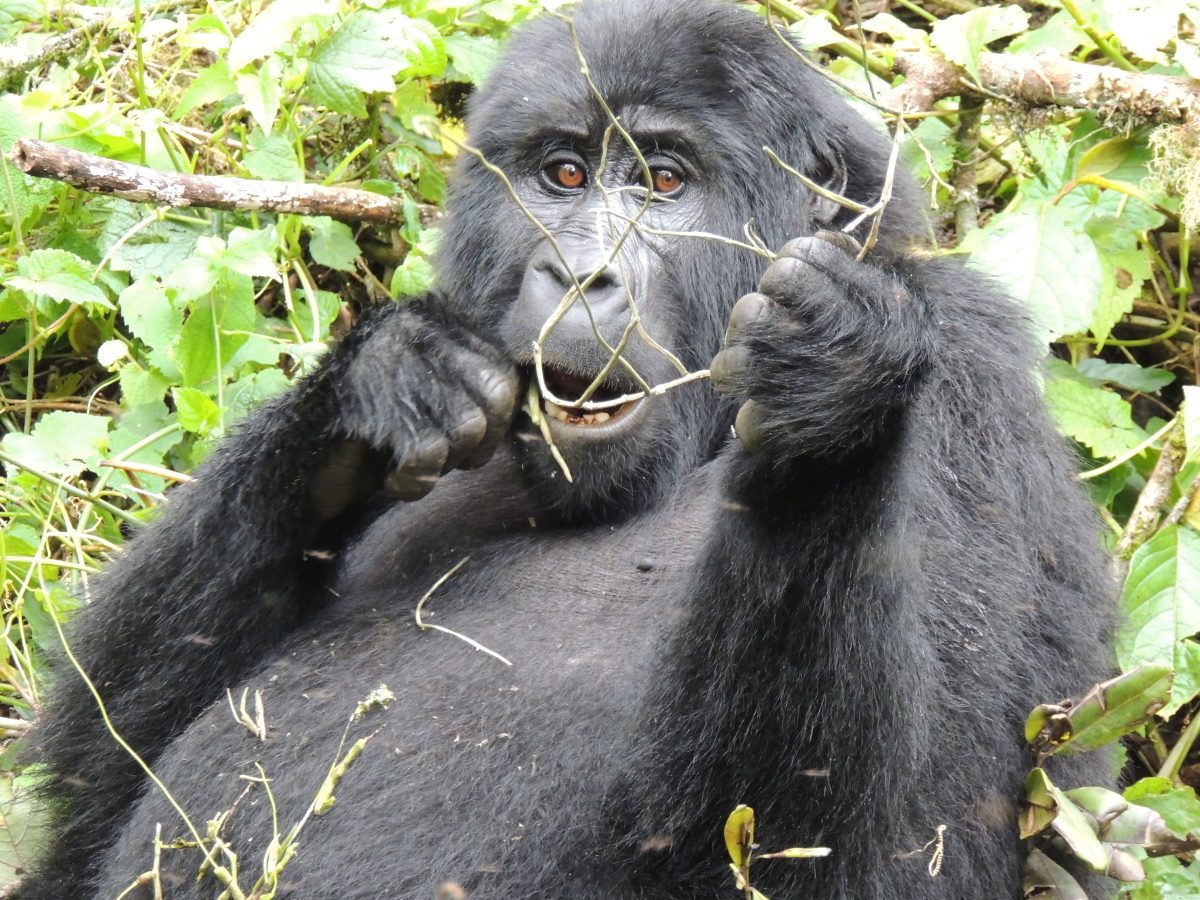
A gorilla trekking permit allows you to spend one hour observing a habituated mountain gorilla family.
Permit costs are:
- $800 USD – Foreign Non-Residents
- $700 USD – Foreign Residents
- UGX 300,000 – East African Citizens
Permits are limited and must be booked through licensed tour operators approved by the Uganda Tourism Board.
Chimpanzee Trekking Permits
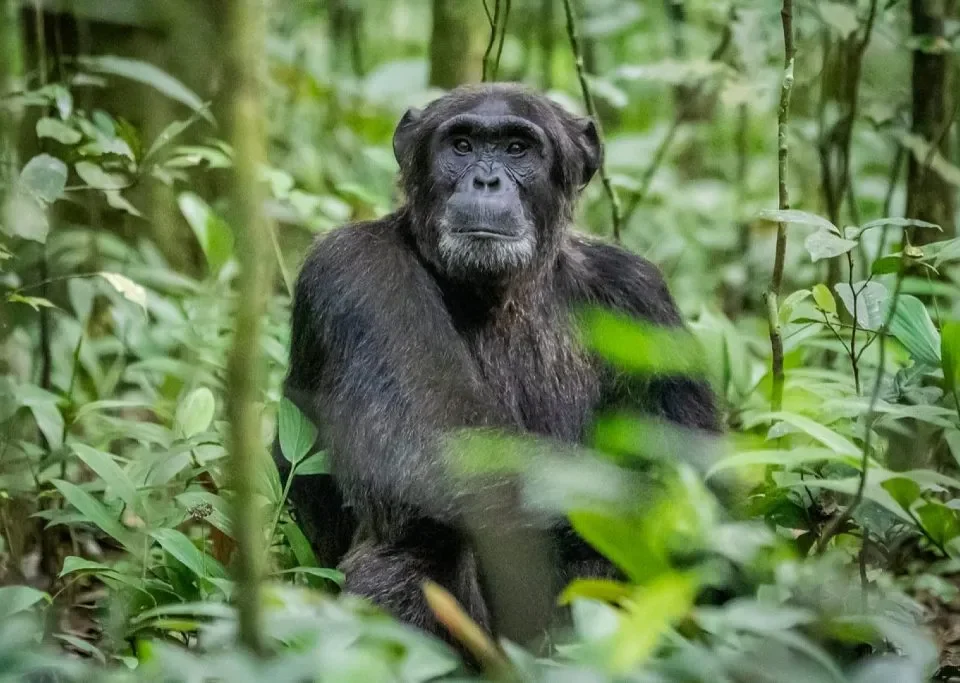
Chimpanzee permit prices vary depending on the location.
Kibale National Park
- $250 USD – Foreign Non-Residents
- $200 USD – Foreign Residents
- UGX 150,000 – East African Citizens
Kyambura Gorge or Budongo Forest
- $100 USD – Foreign Non-Residents
- $80 USD – Foreign Residents
- East African rates vary depending on location
Because demand is high, permits should be booked 6–12 months in advance, especially during peak travel seasons between June–September and December–February.
Group Size and Trekking Time Limits
Strict limits are placed on the number of visitors allowed to interact with primates.
Gorilla Trekking Groups
- Maximum of 8 visitors per gorilla family per day
- Only one hour is allowed once the gorillas are located
Chimpanzee Trekking Groups
Group sizes vary by location:
- Kibale National Park – 8 visitors
- Kyambura Gorge – 6 visitors
- Budongo Forest – 8 visitors
Assignments are usually made based on visitor fitness levels and guide recommendations.
Important Rules During Primate Viewing
To protect both the animals and visitors, several rules must be followed when observing gorillas or chimpanzees.
Maintain Safe Distance
Visitors must keep a minimum distance of:
- 7 meters from gorillas
- 8 meters from chimpanzees
If a primate approaches you, remain calm and slowly move away without sudden movements.
Avoid Direct Eye Contact
Extended eye contact may be interpreted as aggression, particularly by gorillas. Instead, observe calmly and respectfully.
Never Touch or Feed Primates
Touching or feeding primates is strictly prohibited because it can transmit diseases and alter natural behavior.
Keep Noise Levels Low
Visitors should speak quietly and avoid loud sounds or sudden movements that may disturb the animals.
Health and Biosecurity Protocols
Because great apes are highly vulnerable to human diseases, Uganda enforces strict health precautions.
Mask Wearing
Visitors may be required to wear face masks, especially during periods of disease risk. Travelers should carry high-quality masks such as N95 or surgical masks.
Shoe Disinfection
Before entering trekking trails, visitors must disinfect their shoes to prevent the spread of pathogens.
Illness Restrictions
Anyone showing symptoms such as:
- coughing
- fever
- flu-like symptoms
may be denied participation in trekking activities.
Hand sanitizer should also be used before and after trekking.
Environmental and Conservation Rules
Responsible tourism plays a major role in protecting Uganda’s forests and wildlife.
Visitors must follow these conservation guidelines:
- Stay on designated trekking trails
- Avoid damaging vegetation
- Do not remove plants, insects, or natural objects
- Carry out all waste
Littering can result in fines of up to $150 USD.
Human waste should be buried 30 cm deep and at least 30 meters away from trails or water sources.
Photography and Equipment Guidelines
Photography is allowed but must be done responsibly.
Key rules include:
- Flash photography is prohibited
- Camera shutter sounds should be muted
- Tripods and monopods are allowed if used carefully
- Drones are prohibited without special permission from the Uganda Wildlife Authority
These measures help minimize disturbance to wildlife.
What to Wear for Gorilla and Chimp Trekking
Choosing the right clothing improves comfort and safety during the trek.
Recommended clothing includes:
- Long-sleeved shirts
- Long trousers
- Neutral colors such as khaki, green, or beige
- Waterproof hiking boots with ankle support
Additionally, visitors should consider bringing:
- Lightweight rain jackets
- Gardening gloves for gripping vegetation
- Gaiters to protect against ants and mud
Bright colors and camouflage clothing should be avoided.
Items Not Allowed During Trekking
Certain items are prohibited within the parks, including:
- Weapons
- Plastic bags (banned in Uganda)
- Recreational drugs
- Pets
- Loud electronic devices
Visitors should also avoid carrying unnecessary equipment that could disrupt the trekking experience.
Penalties for Violating Trekking Rules
Failure to follow park regulations can result in serious consequences, including:
- Immediate removal from the park
- Cancellation of trekking permit without refund
- Fines ranging from $200 to $5,000 USD
- Legal prosecution in severe cases
These rules are strictly enforced to protect endangered wildlife.
Supporting Local Communities
Gorilla and chimpanzee tourism plays a significant role in supporting local communities.
Visitors are encouraged to:
- Hire local porters (usually $20–25 USD)
- Respect local cultures and traditions
- Interact respectfully with guides and community members
However, visitors should avoid promising gifts or money, particularly to children.
Conservation Success Through Responsible Tourism
Responsible tourism has significantly contributed to primate conservation in Uganda.
The mountain gorilla population has increased from about 400 individuals in 2010 to more than 500 in 2025, demonstrating the success of conservation initiatives supported by tourism.
Similarly, chimpanzee populations in protected areas remain stable due to continued protection and responsible visitor practices.
How to Book a Safari with Chimp Homes Uganda Safaris
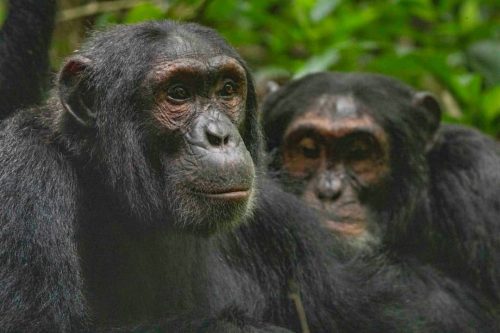
Wildlife Safaris
Planning a gorilla or chimpanzee trekking safari requires early preparation, especially when securing permits.
Chimp Homes Uganda Safaris helps travelers organize a smooth and memorable experience by arranging:
- Gorilla trekking permits
- Chimpanzee trekking permits
- Safari transportation and guides
- Accommodation near national parks
- Customized Uganda safari itineraries
To book your safari:
- Share your preferred travel dates
- Provide a passport copy for permit processing
- Confirm your safari itinerary and accommodation options
- Secure your booking with payment
Call Us: +256742874045
or +256 703903243
Email Us: info@chimphomesafaris.com
Gmail: chimphomesugandasafaris@gmail.com
Chimp Homes Uganda Safaris will handle all the logistics, ensuring that your gorilla and chimpanzee trekking experience in Uganda is safe, responsible, and unforgettable.