The Ultimate Guide to the Batwa Experience Trail Uganda
December 26, 2025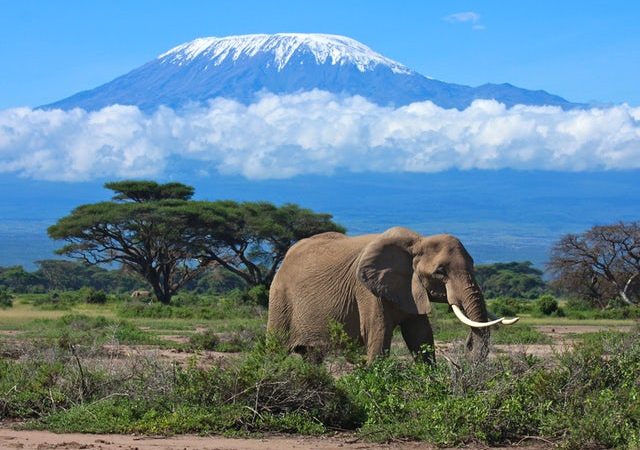
The Ultimate Guide: What If Elephants Disappeared?
The Ultimate Guide: What If Elephants Disappeared?- Elephants are among the most iconic animals on Earth, yet their survival is increasingly uncertain. In the 19th century, Africa was home to an estimated 3–5 million elephants. Today, fewer than 400,000 remain in the wild. Due to poaching, habitat loss, and human–wildlife conflict, conservationists warn that elephants could disappear from the wild within a few decades if urgent action is not taken.
Understanding what elephants mean to our planet helps explain why protecting them is not optional—it is essential.
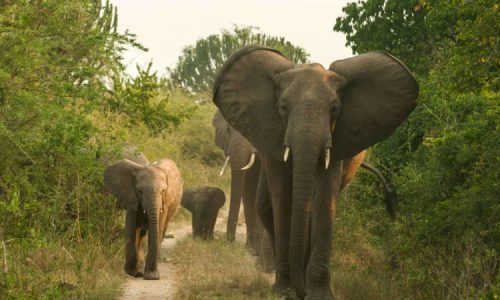
Akagera National Park
Why Elephants Matter to the Planet
Elephants are far more than just wildlife attractions. They play a central role in maintaining healthy ecosystems and supporting biodiversity across Africa’s savannahs, forests, and wetlands.
Elephants as Ecosystem Engineers
Elephants are often described as ecosystem engineers, architects, or gardeners. This is because their daily activities physically shape the landscapes they inhabit.
As elephants feed on trees, shrubs, and grasses, they regulate vegetation growth. Although breaking branches or pushing over trees may appear destructive, it actually creates space for new plant life. These changes allow sunlight to reach the forest floor, encouraging seedlings, grasses, and herbs to grow.
In savannah ecosystems, elephants help maintain a healthy balance between trees and grasslands. By reducing excessive tree cover, they support grazing animals such as buffalo, antelope, and zebra, which rely on open grasslands for survival.
Boosting Biodiversity Through Natural Processes
In addition to shaping vegetation, elephants play a critical role in supporting other species. Fallen trees and broken branches create shelter for small mammals, reptiles, insects, and birds. Some bird species depend on tree hollows created by elephant damage for nesting.
Elephant dung is another vital resource. It provides food for dung beetles and birds while also dispersing seeds over long distances. Many tree species rely on elephants to spread their seeds, helping forests regenerate naturally. Without elephants, these plant species would struggle to survive.
Furthermore, the large bodies of elephants create natural pathways through dense vegetation. These paths are later used by smaller animals and even humans, improving movement and access within wild habitats.
What Happens If Elephants Go Extinct?
If elephants were to disappear, ecosystems would begin to collapse. Forests would become denser and less diverse, grasslands would shrink, and many animal species would lose food sources, shelter, and breeding grounds. Ultimately, biodiversity would decline, and entire landscapes would change permanently.
In simple terms, a world without elephants would be less balanced, less resilient, and far less rich in wildlife.
Where to See Elephants in Africa Today
Fortunately, elephants can still be seen in protected areas across Africa, especially where conservation efforts are strong.
In Uganda, elephants are commonly found in:
- Queen Elizabeth National Park
- Murchison Falls National Park
- Kidepo Valley National Park
In East Africa, other excellent elephant destinations include:
- Serengeti National Park (Tanzania)
- Masai Mara National Reserve (Kenya)
- Chobe National Park (Botswana, Southern Africa)
Visiting these parks responsibly helps support conservation through tourism revenue and community involvement.
Conservation Through Responsible Tourism
One of the most effective ways travelers can help protect elephants is by supporting ethical and sustainable tourism. Safari tourism creates jobs, funds conservation programs, and gives local communities strong incentives to protect wildlife rather than exploit it.
By choosing reputable local tour operators, travelers directly contribute to elephant conservation and habitat protection.
How to Book an Elephant Safari with Chimp Homes Uganda Safaris

Best Uganda Safari
Chimp Homes Uganda Safaris offers professionally guided wildlife safaris to Uganda’s best national parks, where you can observe elephants in their natural habitats while supporting conservation efforts.
We specialize in customized safari itineraries that combine elephant viewing with gorilla trekking, chimpanzee tracking, and classic game drives.
Contact us to plan your safari:
Phone: +256 742 874045 / +256 703 903243
Email: info@chimphomesafaris.com
Gmail: chimphomesugandasafaris@gmail.com
Protecting elephants starts with awareness—and continues with responsible travel choices.