The Ultimate Guide to the Best Things to Do in Uganda
December 31, 2025
The Ultimate Guide to the Top 7 Must-Sees in Queen Elizabeth NP
January 2, 2026
The Ultimate Guide: Why Gorilla Trekking Is So Expensive
The Ultimate Guide: Why Gorilla Trekking Is So Expensive- Gorilla trekking is widely regarded as one of the most exclusive and expensive wildlife experiences in the world. Many travellers often ask: why is gorilla trekking so expensive, especially when a single permit can cost USD 800 in Uganda or USD 1,500 in Rwanda—an amount that could otherwise fund a full multi-day safari.

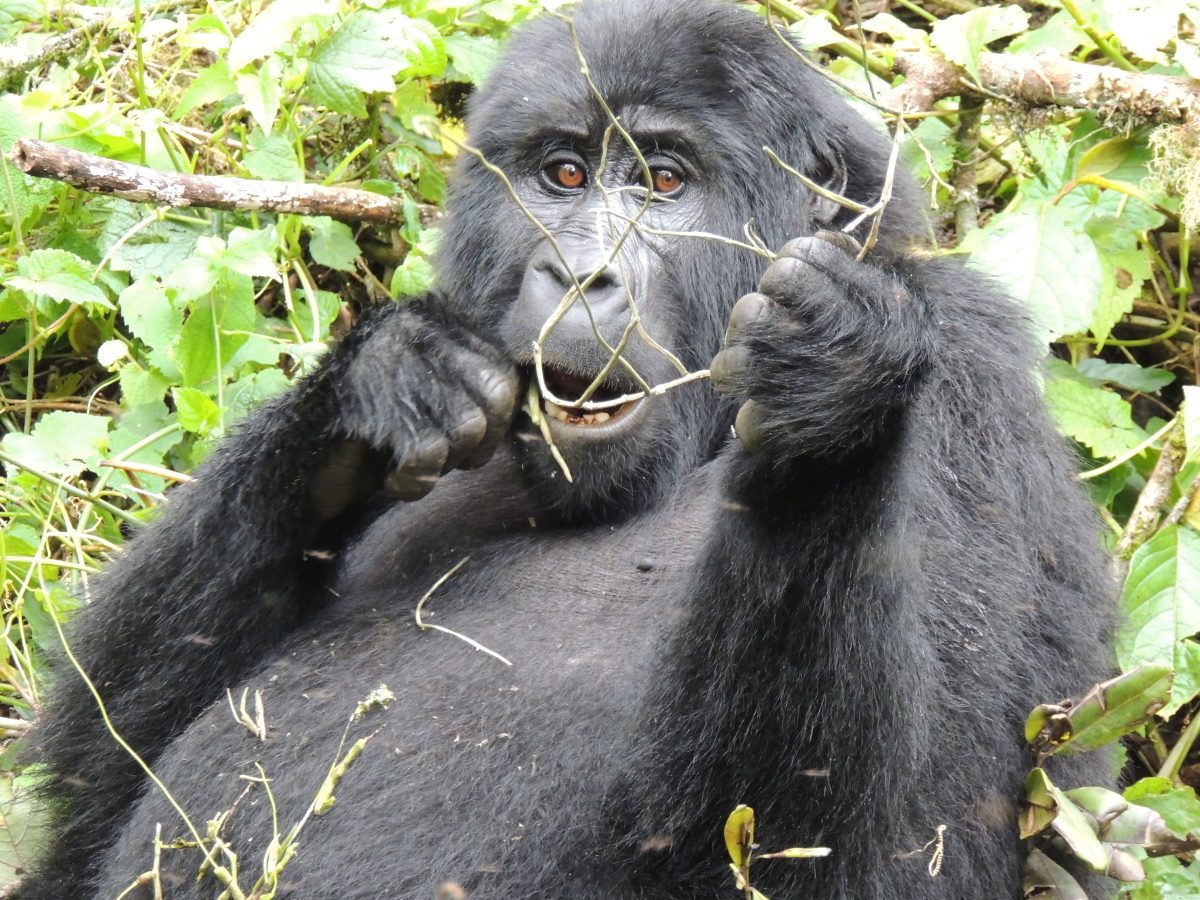
Gorilla Trekking
In this detailed guide, we clearly explain what makes gorilla trekking expensive, where the money goes, and why the cost is essential for conservation, communities, and sustainability.
Understanding the Cost of Gorilla Trekking
At first glance, gorilla trekking may appear to be a simple walk into the forest to see gorillas. However, in reality, it supports a complex system of conservation, protection, staffing, community development, and sustainable tourism. Each permit purchased plays a critical role far beyond the trek itself.
-
High Cost of Gorilla Conservation Programs
One of the main reasons gorilla trekking is expensive is the cost of protecting a critically endangered species.
A large portion of gorilla permit fees is reinvested into conservation, including:
- Daily anti-poaching patrols
- Monitoring gorilla movements and behaviour
- Removing traps and preventing illegal activities
- Protecting forest habitats from encroachment
In addition, gorillas receive specialised veterinary care. Wildlife doctors closely monitor gorilla health and respond immediately to injuries, illnesses, or emergencies. These interventions are costly but essential for survival.
Furthermore, conservation efforts include reforestation, habitat restoration, and long-term ecological research, all of which require consistent funding.
-
Limited Gorilla Permits Increase Demand
Another key factor explaining why gorilla trekking is so expensive is the strict limitation on visitor numbers.
- Only 8 visitors per gorilla family per day are allowed
- Gorilla families undergo long habituation processes
- Permits are tightly regulated by conservation authorities
This limited supply is designed to:
- Reduce stress on gorillas
- Prevent disease transmission
- Protect natural behaviours
As a result, demand for permits remains high while availability stays low, naturally driving up the cost.
-
Large Number of Support Staff Involved
Gorilla trekking is not a solo activity. Each trek involves a team of trained professionals working behind the scenes, including:
- Armed ranger guides
- Trackers who locate gorillas daily
- Security personnel
- Porters and community guides
- Conservation officers and permit managers
All staff members undergo continuous training and are paid from permit revenue. Their presence ensures traveller safety, gorilla protection, and smooth trekking operations, which significantly contributes to the overall cost.
-
Operating in Remote and Challenging Forests
Mountain gorillas live in remote, mountainous rainforests, far from major towns and infrastructure. Operating in these areas is expensive due to:
- Maintaining trekking trails in steep and muddy terrain
- Building and maintaining ranger posts
- Transporting fuel, food, and equipment
- Providing emergency response systems
- Ensuring reliable communication and security
The logistical challenges alone make gorilla trekking a costly operation.
-
Revenue Sharing With Local Communities
A significant reason gorilla trekking is worth the cost is its positive impact on local communities.
A portion of every gorilla permit fee goes directly to nearby communities to support:
- Schools and education programs
- Health centres and clean water projects
- Road improvements
- Local employment opportunities
This revenue-sharing model encourages community support for conservation, reduces human-wildlife conflict, and promotes long-term protection of gorillas.
-
Sustainable, Low-Impact Tourism Model
Unlike mass tourism destinations, gorilla trekking follows a low-impact, high-value tourism model.
Instead of allowing thousands of visitors daily, gorilla parks limit access and charge higher fees to:
- Protect fragile ecosystems
- Maintain high safety standards
- Ensure meaningful, uncrowded experiences
- Fund conservation without overexploitation
This model prioritises sustainability over volume, which is why costs remain high.
-
Safety and Health Measures
Because gorillas share over 98% of human DNA, they are extremely vulnerable to human diseases. Permit fees help fund:
- Regular health screenings for staff
- Provision of masks and protective gear
- Emergency medical response systems
- Disease prevention programs
These measures protect both gorillas and visitors, further justifying the cost.
Is Gorilla Trekking Worth the Price?
Despite the high cost, gorilla trekking offers something few experiences can match:
- A close encounter with a critically endangered species
- Direct contribution to conservation
- Support for local communities
- A once-in-a-lifetime wildlife experience
For many travellers, the value goes far beyond the price.
How to Book Gorilla Trekking With Chimp Homes Uganda Safaris
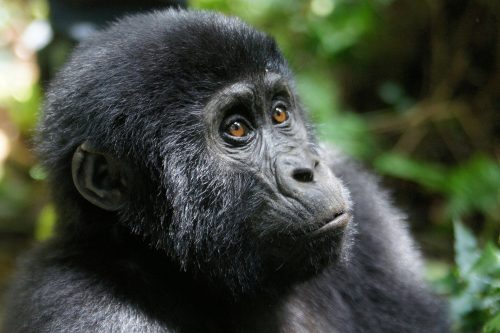
Rwanda’s Great Ape
Chimp Homes Uganda Safaris specialises in well-planned, ethical, and affordable gorilla trekking safaris in Uganda. We help you get the best value for your permit by combining gorilla trekking with wildlife safaris, cultural experiences, and comfortable accommodations.
Book your gorilla trekking safari with Chimp Homes Uganda Safaris today:
Website: www.chimphomesafaris.com
Email: info@chimphomesafaris.com
Phone / WhatsApp: +256 742 874 045 | +256 703 903 243
Let us help you understand the value behind the cost and plan a safe, meaningful, and unforgettable gorilla trekking experience in Uganda.