How Long Does Chimpanzee Trekking in Uganda Take?
October 21, 2026
What Other Primates Can You See on a Uganda Safari?
What Other Primates Can You See on a Uganda Safari?- Uganda is one of Africa’s most rewarding destinations for travelers interested in primates. While mountain gorillas and chimpanzees are among the country’s most famous wildlife attractions, Uganda is home to many other fascinating primate species.
From the forests of Kibale and Bwindi to the savannah landscapes of Queen Elizabeth and the tropical forests of Semuliki, a Uganda safari can provide opportunities to see monkeys, baboons, chimpanzees, gorillas, and other primates in their natural habitats.
In fact, Kibale National Park is particularly famous for its primate diversity, with UWA highlighting 13 primate species and frequent sightings of species such as red colobus, black-and-white colobus, L’Hoest’s monkeys, and grey-cheeked mangabeys.
So, what other primates can you see on a Uganda safari?
Uganda Safari
-
Chimpanzees
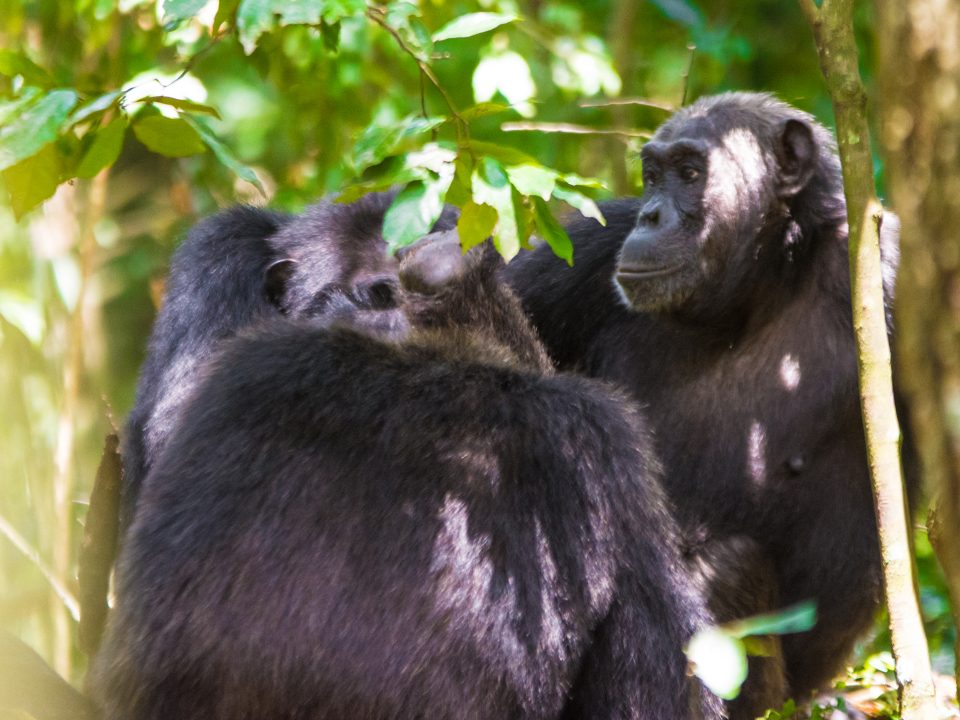
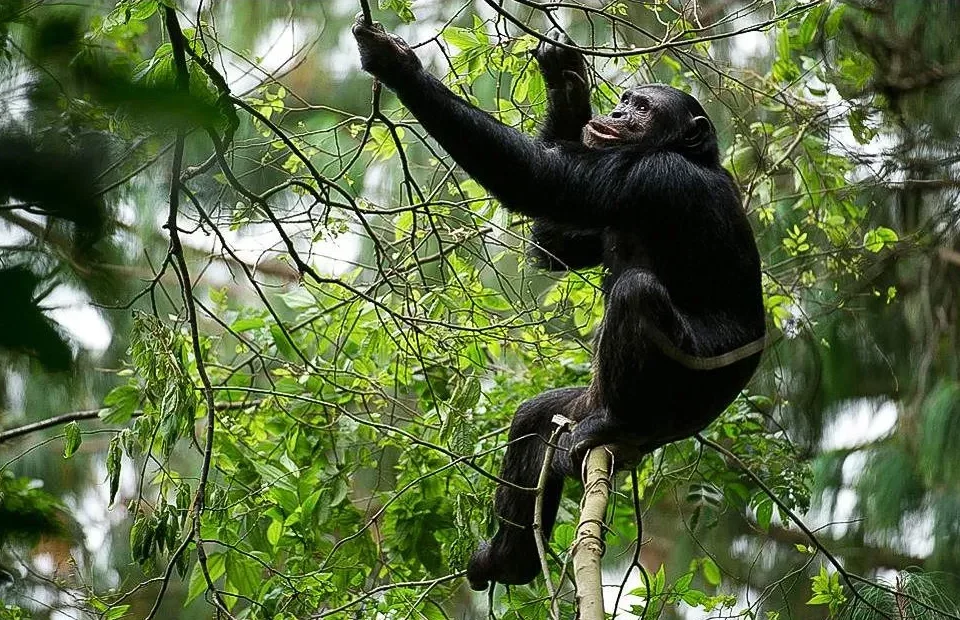
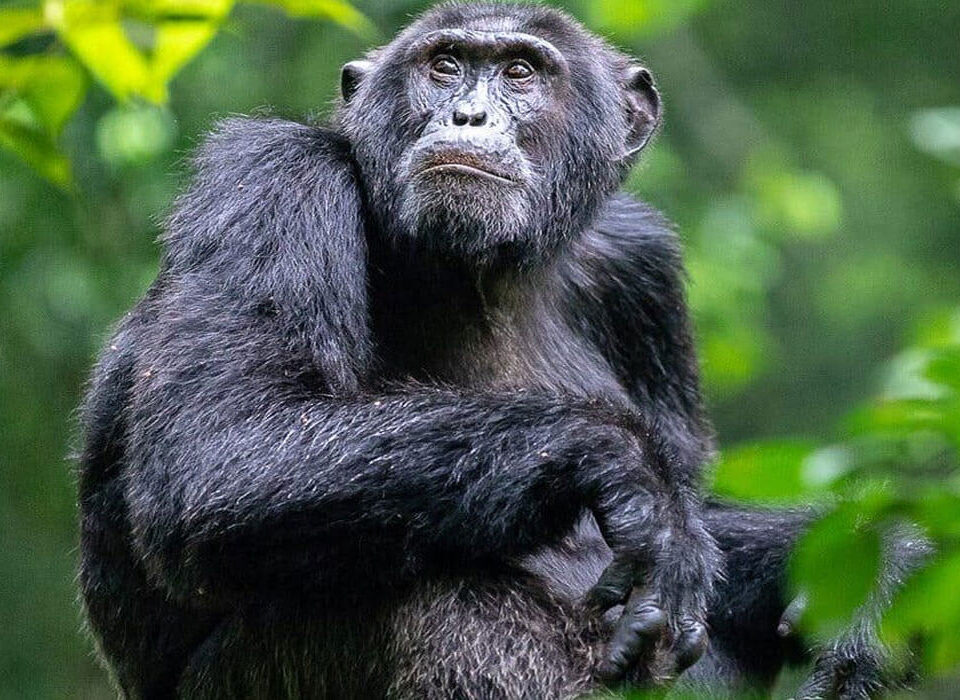
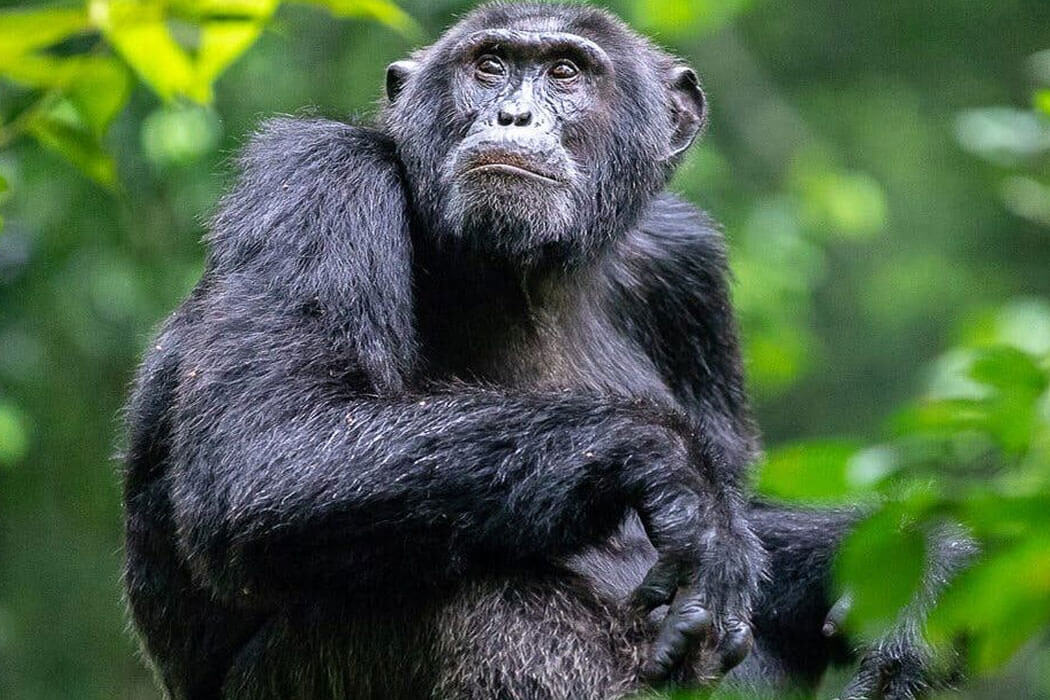
Chimpanzees are among the most popular primates to see in Uganda.
Kibale National Park is the country’s leading destination for chimpanzee trekking and is renowned for its large population of chimpanzees.
Visitors can choose between standard chimpanzee tracking and the longer Chimpanzee Habituation Experience.
Chimpanzees can also be encountered in the Kyambura Gorge area of Queen Elizabeth National Park, while other chimpanzee experiences are available in selected forest areas.
UWA’s current guidelines identify Kanyanchu, Buraiga and Kyambura as designated entry points for chimpanzee tracking in UWA-managed areas.
-
Mountain Gorillas
Mountain gorillas are arguably Uganda’s most iconic primate.
They are found in:
- Bwindi Impenetrable National Park
- Mgahinga Gorilla National Park
Gorilla trekking allows visitors to enter the forest with trained guides and spend a designated period observing a habituated gorilla family.
Because mountain gorillas are critically important to conservation and tourism in Uganda, gorilla trekking is conducted under strict regulations.
A gorilla safari can also be combined with chimpanzee trekking, creating one of the most memorable primate itineraries in East Africa.
-
Golden Monkeys
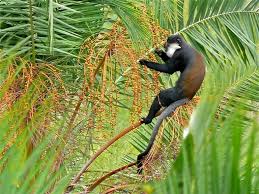
Bigodi Wetland Walk
Golden monkeys are another remarkable primate found in Uganda.
They are associated with the bamboo and forest habitats of the Virunga Mountains, particularly Mgahinga Gorilla National Park.
Golden monkey trekking provides a different experience from gorilla trekking. These energetic monkeys can move quickly through the vegetation, making the search part of the adventure.
For travelers visiting Mgahinga, combining golden monkey trekking and gorilla trekking can create an excellent primate-focused safari.
-
Red Colobus Monkeys
The red colobus is one of the most interesting monkeys you can encounter in Uganda.
Kibale National Park is especially important for this species. UWA identifies red colobus among the primates frequently encountered during the Kanyanchu Primate Walk.
The species is particularly associated with Uganda’s forest ecosystems and can often be seen high in the canopy.
For photographers, a red colobus sighting can be a memorable part of a Kibale forest experience.
-
Black-and-White Colobus Monkeys
Black-and-white colobus monkeys are another striking species found in several Ugandan forests.
Their long black-and-white coats and distinctive tails make them relatively easy to recognize.
They can be encountered in places such as:
- Kibale National Park
- Queen Elizabeth National Park
- Toro-Semliki Wildlife Reserve
- Other forested areas
UWA lists black-and-white colobus among the primates encountered during the Toro-Semliki primate walk.
-
L’Hoest’s Monkeys
L’Hoest’s monkeys are another fascinating species found in Uganda’s forests.
They are particularly associated with Kibale National Park, where UWA highlights them as one of the notable primates encountered during primate walks.
They can be recognized by their darker body coloration and lighter facial features.
Seeing L’Hoest’s monkeys is one of the reasons a Kibale safari offers much more than chimpanzee tracking alone.
-
Red-Tailed Monkeys
Red-tailed monkeys are widely distributed across Uganda’s forest ecosystems.
They can be seen in several destinations, including Kibale and Toro-Semliki Wildlife Reserve.
Their characteristic facial markings and reddish tail make them an interesting species to watch.
UWA specifically lists red-tailed monkeys among the primates that visitors may encounter during the Toro-Semliki primate walk.
-
Vervet Monkeys
Vervet monkeys are among the more widespread monkeys you may encounter during a Uganda safari.
Unlike some forest primates, they can occur in more open habitats, including woodland and savannah environments.
They can be encountered in destinations such as Queen Elizabeth National Park and Toro-Semliki Wildlife Reserve. UWA lists vervet monkeys among the primates found in Toro-Semliki.
Because of their adaptability, travelers may encounter them while driving between different safari attractions.
-
Olive Baboons
Olive baboons are another common primate that travelers can encounter during a Uganda safari.
They are social animals and are often seen in groups.
Unlike chimpanzees and gorillas, baboons are not restricted to dense rainforest habitats. They can occur in woodland, grassland and other environments.
UWA lists olive baboons among the primates found in Queen Elizabeth National Park and among the wildlife encountered in Kibale and Toro-Semliki.
-
Grey-Cheeked Mangabeys
Grey-cheeked mangabeys are another forest primate that can be encountered in Uganda.
They are particularly associated with Kibale’s rich primate community.
UWA currently lists grey-cheeked mangabeys among the primates frequently spotted during the Kanyanchu Primate Walk.
They are highly active and can be observed moving through the forest canopy.
-
Uganda Mangabey
Uganda is also home to the Uganda mangabey, a primate associated with the country’s forests.
Kibale’s management information identifies the Uganda mangabey as a distinctive Ugandan primate.
For travelers interested in primate diversity rather than only the famous species, this is one of the reasons Kibale is such an important destination.
-
Blue Monkeys
Blue monkeys are another forest species that may be encountered in Uganda.
Despite their name, they do not usually appear bright blue. Their coloration is generally darker, with subtle blue-grey tones.
Kibale’s documented primate list includes blue monkeys among its 13 primate species.
-
Bushbabies
Not every primate safari experience takes place during the day.
Bushbabies are nocturnal primates, meaning that travelers have a better chance of seeing them during a night forest walk or night game activity.
Kibale is known for nocturnal primates, including bushbabies and pottos.
Their large eyes and ability to move quickly through the darkness make them particularly interesting to observe.
-
Pottos
Pottos are another nocturnal primate found in Uganda’s forests.
They are slow-moving and adapted to life in the forest canopy.
Like bushbabies, pottos are much more difficult to see during normal daytime chimpanzee trekking. A suitable night experience can provide better opportunities.
Kibale is among the Ugandan destinations associated with these nocturnal primates.
Where Is the Best Place to See Primates in Uganda?
There is no single destination that offers every primate species.
Instead, different destinations are known for different experiences.
Kibale National Park
Kibale is one of Uganda’s strongest destinations for primate diversity.
UWA highlights 13 primate species in the park, including chimpanzees, red colobus, black-and-white colobus, L’Hoest’s monkeys and grey-cheeked mangabeys.
For travelers whose main interest is primates, Kibale is therefore an important destination to include in a Uganda safari.
Bwindi Impenetrable National Park
Bwindi is primarily known for mountain gorilla trekking, but its forest ecosystem also supports a variety of other wildlife and bird species.
A gorilla trekking safari can therefore be combined with other primate experiences elsewhere in Uganda.
Mgahinga Gorilla National Park
Mgahinga is particularly interesting for travelers who want to combine gorilla trekking with golden monkey trekking.
Its location within the Virunga Mountains also provides spectacular volcanic scenery.
Queen Elizabeth National Park
Queen Elizabeth provides an excellent combination of wildlife and primate experiences.
UWA lists chimpanzees, black-and-white colobus monkeys, vervet monkeys and olive baboons among its primates.
This means you can combine chimpanzee experiences with traditional game drives and the famous Kazinga Channel boat cruise.
Toro-Semliki Wildlife Reserve
Toro-Semliki is another interesting destination for travelers interested in primates.
UWA offers a 3–4 hour primate walk where visitors may encounter chimpanzees, red-tailed monkeys, vervet monkeys, black-and-white colobus monkeys and baboons.
The reserve is particularly interesting because it combines forest, savannah and riverine habitats.
Can You See Several Primates on One Safari?
Yes.
One of the advantages of a Uganda safari is that you do not have to visit just one destination.
A well-planned itinerary can combine several primate habitats.
For example:
Kibale → Queen Elizabeth → Bwindi
can provide opportunities for:
- Chimpanzees
- Red colobus monkeys
- Black-and-white colobus monkeys
- L’Hoest’s monkeys
- Mangabeys
- Vervet monkeys
- Baboons
- Mountain gorillas
The exact species you see will depend on the destination, season, weather and wildlife movements.
Can You Combine Primates With a Wildlife Safari?
Absolutely.
Uganda is particularly suitable for travelers who want to combine primate experiences with traditional wildlife viewing.
A longer safari could include:
Kibale National Park for chimpanzees and forest primates
Queen Elizabeth National Park for chimpanzees, monkeys, elephants, lions, buffaloes and the Kazinga Channel
Bwindi Impenetrable National Park for mountain gorillas
Lake Bunyonyi for relaxation and scenic views
This creates a balanced safari combining primates, wildlife, landscapes and cultural experiences.
What Is the Best Time for a Primate Safari in Uganda?
Most primate experiences are available throughout the year, although weather can influence forest conditions.
Kibale’s chimpanzee tracking and habituation activities operate year-round. UWA notes that rainy periods can still provide good chimpanzee tracking opportunities, although trails can become muddy.
If you are combining primate trekking with savannah wildlife viewing, your safari operator can help select travel dates that work well for the entire itinerary.
What Should You Pack for a Primate Safari?
For forest activities, practical clothing is important.
Consider packing:
- Comfortable hiking boots
- Long trousers
- Long-sleeved shirts
- Lightweight rain jacket
- Insect repellent
- Drinking water
- Small backpack
- Camera
- Binoculars
- Hat
- Extra batteries or power bank
Because forest conditions can be wet and muddy, waterproof footwear can be especially useful.
Why Choose Uganda for a Primate Safari?
Uganda offers an unusual combination of primate experiences within one country.
You can track chimpanzees in Kibale, search for golden monkeys in Mgahinga, trek mountain gorillas in Bwindi, and encounter several monkey species during wildlife drives and forest walks.
Furthermore, these experiences can be combined with classic African safari activities such as game drives, boat cruises and birdwatching.
For travelers who want more than the traditional Big Five safari, Uganda provides an opportunity to explore some of East Africa’s richest primate habitats.
Frequently Asked Questions
How many primate species can you see in Uganda?
Uganda has a high diversity of primates, with Kibale National Park alone documented as having 13 primate species.
What is the best place to see primates in Uganda?
Kibale National Park is one of the country’s leading destinations for primate diversity, particularly for chimpanzees and several monkey species.
Can I see gorillas and chimpanzees on the same Uganda safari?
Yes. Chimpanzee trekking in Kibale can be combined with gorilla trekking in Bwindi.
Where can I see golden monkeys in Uganda?
Golden monkey trekking is available in Mgahinga Gorilla National Park.
Can I see monkeys during a normal Uganda safari?
Yes. Monkeys and baboons can be encountered in several national parks and wildlife reserves, including Queen Elizabeth and Toro-Semliki.
Are all primates active during the day?
No. Some species, including bushbabies and pottos, are nocturnal. Specialized night activities provide better opportunities to encounter them.
Is Kibale only for chimpanzee trekking?
No. Kibale is known for its wider primate diversity. In addition to chimpanzees, visitors may encounter red colobus, black-and-white colobus, L’Hoest’s monkeys, mangabeys, blue monkeys and other species.
How to Book a Primate Safari With Chimp Homes Uganda Safaris
Uganda Tour
At Chimp Homes Uganda Safaris, we can design a customized primate safari based on your travel dates, budget and interests.
Your itinerary can include:
- Chimpanzee trekking in Kibale
- Chimpanzee habituation
- Gorilla trekking in Bwindi
- Golden monkey trekking in Mgahinga
- Queen Elizabeth wildlife safari
- Kazinga Channel boat cruise
- Birding experiences
- Lake Bunyonyi
- Cultural experiences
Whether you want a short chimpanzee experience or a longer Uganda primate safari, we can arrange the permits, accommodation, transportation, professional driver-guide and other safari services.
Contact Chimp Homes Uganda Safaris
Call/WhatsApp: +256 742 874045 / +256 703 903243
Email: info@chimphomesafaris.com
Website: chimphomesafaris.com