What Is the Difference Between Chimpanzee Tracking and Habituation?
October 8, 2026
What Other Primates Can You See on a Uganda Safari?
October 22, 2026
How Long Does Chimpanzee Trekking in Uganda Take?
How Long Does Chimpanzee Trekking in Uganda Take?- If you are planning a chimpanzee trekking safari in Uganda, one of the most important questions to ask is: How long does chimpanzee trekking take?
The answer is not exactly the same every day because chimpanzees are wild animals. They move through the forest, and the amount of time needed to find them can depend on their location, weather, terrain and other conditions.
In general, a standard chimpanzee tracking experience in Kibale National Park can take approximately two to five hours, according to Uganda Wildlife Authority (UWA). However, the time you actually spend observing the chimpanzees is limited to a maximum of one hour under the current UWA guidelines.
If you choose the Chimpanzee Habituation Experience, the activity is much longer, with up to four hours of viewing time.
Here is everything you need to know about the duration of chimpanzee trekking in Uganda.

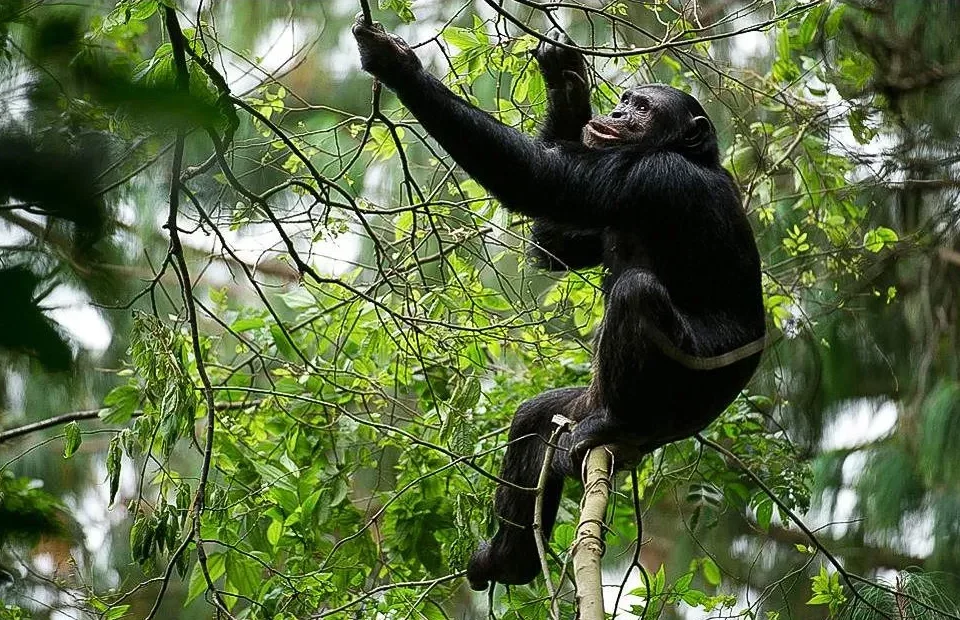
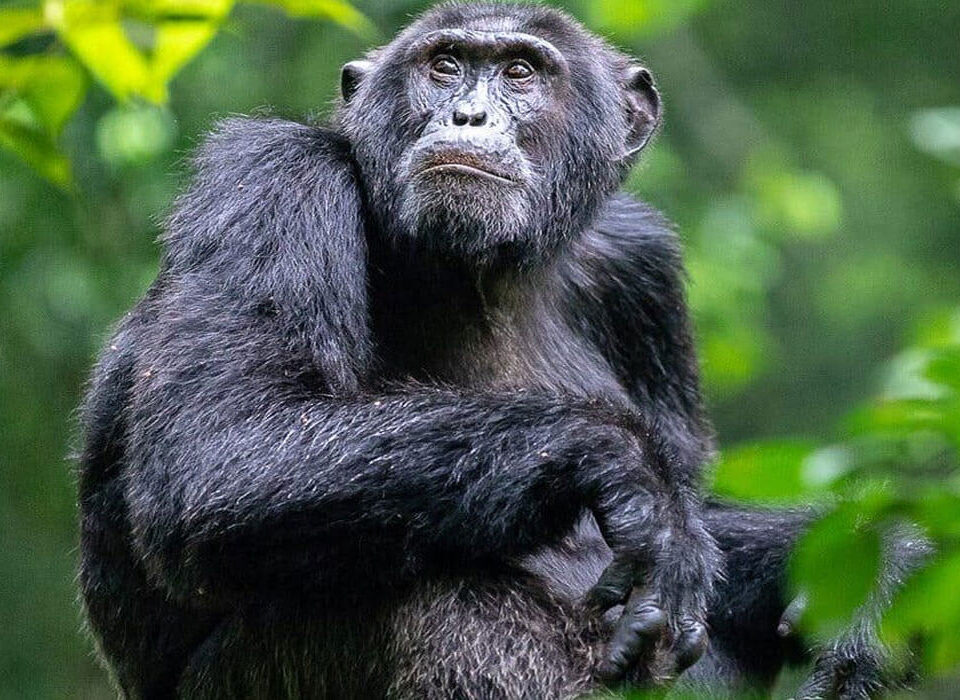
chimpanzee trekking Uganda
How Long Does Standard Chimpanzee Trekking Take?
A standard chimpanzee tracking experience in Kibale generally takes around two to five hours.
This includes the time spent walking through the forest to locate the chimpanzees, observing them, and returning to the starting point.
However, there is no fixed trekking time.
Sometimes the chimpanzees may be relatively close to the starting area. On other days, they may have moved deeper into the forest, requiring visitors to walk farther before finding them.
UWA’s current information for Kibale states that guided chimpanzee tracking walks typically last between two and five hours, depending on chimpanzee movements, weather and terrain.
Therefore, it is best to allow at least half a day for the experience rather than planning another major activity immediately afterward.
How Long Do You Spend With the Chimpanzees?
This is an important distinction.
The total chimpanzee trekking experience can last several hours, but the actual viewing period with the chimpanzees is shorter.
Under UWA’s current chimpanzee tracking guidelines, visitors are allowed a maximum of one hour of viewing time during normal chimpanzee tracking.
The viewing period begins when visitors reach the chimpanzees.
Therefore:
Total trek: approximately 2–5 hours in Kibale
Maximum chimpanzee viewing: 1 hour
The rest of the time is spent walking through the forest, locating the chimpanzees and returning after the encounter.
What Time Does Chimpanzee Tracking Start?
According to UWA’s current guidelines, normal chimpanzee tracking begins at:
- 8:00 AM for morning tracking
- 2:00 PM for afternoon tracking
The activity continues until visitors return to the briefing location for debriefing.
For most safari itineraries, the morning experience is particularly convenient because it leaves some flexibility for other activities later in the day.
However, the exact schedule should always be confirmed when booking because operational arrangements can change.
How Long Does Chimpanzee Habituation Take?
Chimpanzee habituation is considerably longer than normal chimpanzee tracking.
The Chimpanzee Habituation Experience begins from 6:30 AM under the current UWA guidelines and allows up to four hours of viewing time with the chimpanzees.
UWA describes habituation as an experience where tourists spend much of the day with chimpanzees.
This makes habituation particularly suitable for travelers who want a deeper experience and more time observing chimpanzee behaviour.
Chimpanzee Tracking vs Habituation
The difference can be summarized simply:
| Experience | Starting Time | Maximum Viewing Time | Overall Experience |
| Chimpanzee Tracking | 8:00 AM / 2:00 PM | 1 hour | Approximately 2–5 hours in Kibale |
| Chimpanzee Habituation | From 6:30 AM | 4 hours | Much longer forest experience |
The important point is that one hour does not mean the entire chimpanzee trek lasts only one hour.
The one-hour limit refers specifically to the time spent viewing the chimpanzees after they have been located.
Why Does Chimpanzee Trekking Take Different Amounts of Time?
Chimpanzees do not remain in one location waiting for visitors.
They move through the forest looking for food, resting, communicating and interacting with other members of their community.
As a result, the time required to find them can change from one day to another.
Several factors can influence the length of the trek.
-
Chimpanzee Movements
This is one of the biggest factors.
If the chimpanzees are close to the starting point, you may reach them relatively quickly.
If they have moved deeper into the forest, you may need to walk much farther.
-
Weather
Weather can influence forest conditions and walking speed.
Rain can make trails slippery and muddy, while dry conditions can make some trails easier to walk.
UWA notes that the rainy season can still be a good period for chimpanzee tracking despite muddy conditions.
-
Terrain
Kibale is a tropical forest environment with uneven trails and dense vegetation.
Some sections may require more effort than others.
-
Group Pace
Chimpanzee tracking is conducted as a guided experience.
The pace can therefore depend on the group, the guide and the conditions along the trail.
Is Chimpanzee Trekking Physically Difficult?
Nyungwe National Park
Chimpanzee trekking requires a reasonable level of fitness because you may spend several hours walking through a natural forest.
However, the difficulty can vary significantly.
Some days involve relatively easy walking, while other days may require longer distances through muddy or uneven terrain.
It is therefore important to wear suitable hiking shoes and be prepared for changing conditions.
If you have limited mobility or particular physical concerns, discuss your requirements with your safari operator before booking.
Is Chimpanzee Habituation More Difficult?
It can be more physically demanding because it involves spending considerably longer in the forest.
The habituation experience begins earlier and provides up to four hours of chimpanzee viewing time.
For this reason, it is best suited to travelers who are comfortable spending an extended period walking and standing in forest conditions.
However, the exact physical demands depend on the movements of the chimpanzees on the day.
What Can You See During a Chimpanzee Trek?
Chimpanzees are the main attraction, but they are not the only wildlife you may encounter.
Kibale National Park is famous for its exceptional primate diversity.
Depending on your location and luck, you may also see:
- Red colobus monkeys
- Black-and-white colobus monkeys
- L’Hoest’s monkeys
- Grey-cheeked mangabeys
- Red-tailed monkeys
- Blue monkeys
- Olive baboons
- Forest birds
- Butterflies
UWA currently highlights 13 primate species in Kibale, making the forest particularly interesting for travelers who enjoy primates.
What Is the Best Time of Day for Chimpanzee Trekking?
Both morning and afternoon tracking sessions are available under UWA’s current guidelines.
Morning tracking begins at 8:00 AM, while afternoon tracking begins at 2:00 PM.
Many safari itineraries use the morning session because it fits conveniently with travel and other activities.
However, the best option depends on your overall itinerary.
If you are spending several nights in Kibale, you have more flexibility to choose an experience that fits your schedule.
How Many Days Should You Spend in Kibale?
For standard chimpanzee tracking, two nights in Kibale can work well for many travelers.
A simple itinerary could look like this:
Day 1: Entebbe or Kampala – Kibale
Travel to Kibale and check into your accommodation.
Depending on your arrival time, you can relax at your lodge or enjoy an optional activity.
Day 2: Chimpanzee Trekking
Enjoy your chimpanzee tracking experience in the morning.
Afterward, you can relax at your lodge or participate in another activity, such as a Bigodi Wetland experience.
Day 3: Kibale – Queen Elizabeth
Continue toward Queen Elizabeth National Park for wildlife viewing and other safari experiences.
If you want to do chimpanzee habituation, birding or several forest activities, consider adding additional nights.
Can You Combine Chimpanzee Trekking With a Uganda Wildlife Safari?
Yes.
One of the advantages of Kibale is its location within western Uganda’s popular safari circuit.
A chimpanzee experience can be combined with:
- Queen Elizabeth National Park
- Bwindi Impenetrable National Park
- Lake Bunyonyi
- Semuliki National Park
- Murchison Falls National Park
For example, a seven-day safari could include:
On Day 1: Entebbe – Kibale
Day 2: Chimpanzee tracking
Thirdly On Day 3: Kibale – Queen Elizabeth
Day 4: Game drive and Kazinga Channel boat cruise
And Day 5: Queen Elizabeth – Bwindi
Day 6: Gorilla trekking
Lastly Day 7: Bwindi – Lake Bunyonyi or Entebbe
This gives travelers an opportunity to experience chimpanzees, savannah wildlife, a boat cruise and mountain gorillas on one safari.
Can You Combine Chimpanzee Trekking With Gorilla Trekking?
Absolutely.
This is one of the most popular combinations for travelers interested in great apes.
You can start with chimpanzee trekking in Kibale and continue to Bwindi for gorilla trekking.
The two experiences are very different.
Chimpanzee trekking takes place in a tropical forest where chimpanzees are generally more mobile and active, while gorilla trekking involves searching for a habituated gorilla family in the Bwindi or Mgahinga forests.
Combining both creates a memorable Uganda primate safari.
What Should You Pack for Chimpanzee Trekking?
Because you may spend several hours walking through a rainforest, practical clothing is important.
We recommend packing:
- Good hiking boots
- Long trousers
- Long-sleeved shirts
- Lightweight rain jacket
- Insect repellent
- Drinking water
- Small backpack
- Camera
- Binoculars
- Hat
- Extra batteries or power bank
A walking stick can also be useful, particularly on muddy or uneven trails.
Is Chimpanzee Trekking Available All Year?
Yes.
UWA states that chimpanzee tracking and chimpanzee habituation take place throughout the year.
However, conditions in the forest change with the seasons.
The rainy season can make trails muddy, while during dry periods chimpanzees may move deeper into the forest in search of food.
Therefore, your choice of travel dates should consider both chimpanzee trekking and the other activities included in your Uganda safari.
Frequently Asked Questions
How many hours does chimpanzee trekking take in Uganda?
In Kibale, guided chimpanzee tracking walks typically take approximately two to five hours, depending on chimpanzee movements, weather and terrain.
How long can I stay with chimpanzees?
For standard tracking, the maximum viewing time is one hour. For the Chimpanzee Habituation Experience, the maximum viewing time is four hours under current UWA guidelines.
What time does chimpanzee trekking start?
Current UWA guidelines list normal chimpanzee tracking from 8:00 AM for morning tracking and 2:00 PM for afternoon tracking.
Is chimpanzee trekking difficult?
The difficulty varies depending on chimpanzee movements, terrain and weather. You should be prepared for several hours of walking through forest conditions.
Is chimpanzee habituation longer than chimpanzee tracking?
Yes. Habituation provides up to four hours of viewing time compared with one hour for normal tracking.
Can I do chimpanzee trekking and gorilla trekking on the same trip?
Yes. Kibale and Bwindi can easily be combined into a Uganda primate safari.
How many nights should I spend in Kibale?
Two nights are suitable for many travelers doing standard chimpanzee tracking. Add more nights if you want habituation, birding, nature walks or other activities.
How to Book Chimpanzee Trekking With Chimp Homes Uganda Safaris

gorilla and chimpanzee safari Uganda
At Chimp Homes Uganda Safaris, we can organize chimpanzee trekking in Kibale as part of a short primate experience or a longer Uganda safari.
Your itinerary can include:
- Chimpanzee trekking
- Chimpanzee habituation
- Kibale forest walks
- Bigodi Wetlandmmq k0tt5v
- Queen Elizabeth National Park
- Kazinga Channel boat cruise
- Gorilla trekking in Bwindi
- Lake Bunyonyi
- Birding experiences
- Other Uganda safari activities
We can customize your safari according to your travel dates, number of travelers, preferred accommodation and budget.
Contact Chimp Homes Uganda Safaris
Call/WhatsApp: +256 742 874045 / +256 703 903243
Email: info@chimphomesafaris.com
Website: chimphomesafaris.com