How Much Does Chimpanzee Trekking in Kibale Cost?
October 7, 2026
How Long Does Chimpanzee Trekking in Uganda Take?
October 21, 2026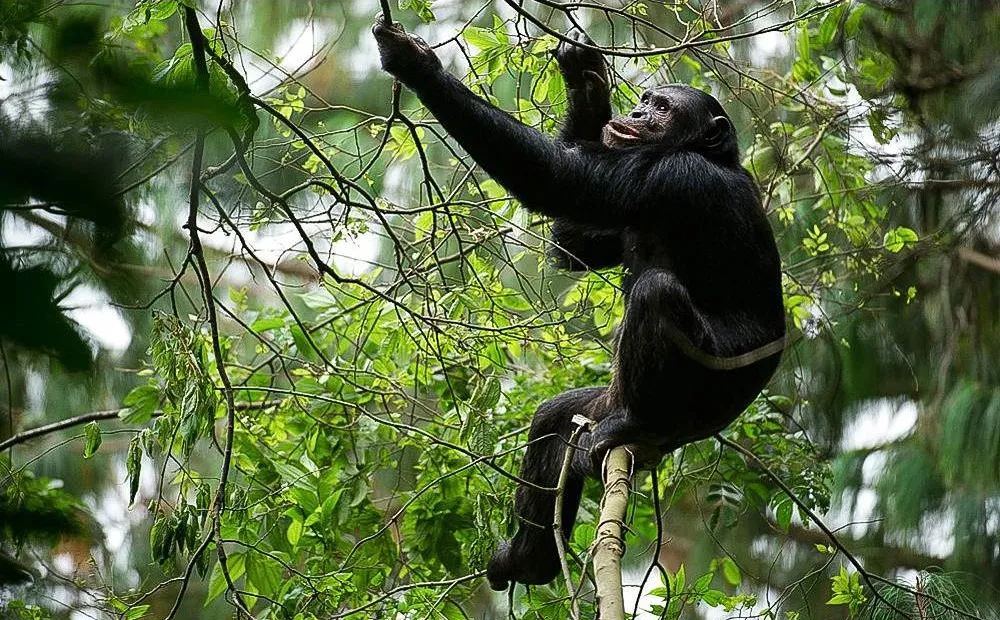
What Is the Difference Between Chimpanzee Tracking and Habituation?
What Is the Difference Between Chimpanzee Tracking and Habituation?- If you are planning a chimpanzee safari in Uganda, you may come across two different experiences: chimpanzee tracking and the Chimpanzee Habituation Experience.
Although both activities take place in the forest and allow visitors to observe wild chimpanzees, they are designed differently.
The main difference is the amount of time you spend observing the chimpanzees and the purpose of the experience.
In this guide, we explain the difference between chimpanzee tracking and habituation, how long each experience takes, what to expect, the costs, and which option may be suitable for your Uganda safari.
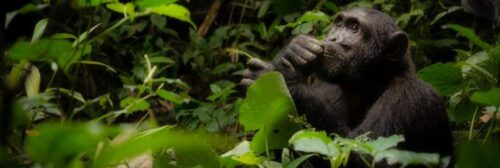
Chimpanzee Tracking and Habituation:
What Is Chimpanzee Tracking?
Chimpanzee tracking is the standard chimpanzee trekking experience.
Visitors enter the forest with trained UWA guides and search for a habituated chimpanzee community. The trek can involve walking through different parts of the forest depending on where the chimpanzees are located.
In Kibale National Park, chimpanzee tracking is one of the park’s major wildlife experiences.
According to Uganda Wildlife Authority guidelines, normal chimpanzee tracking begins at 8:00 AM for morning tracking and 2:00 PM for afternoon tracking. Once the chimpanzees are located, visitors are allowed a maximum of one hour of viewing time with them.
The entire tracking experience can take longer than one hour because visitors must first locate the chimpanzees and then walk back to the starting point.
What Is Chimpanzee Habituation?
Chimpanzee habituation is a more extended experience that allows visitors to spend considerably more time observing chimpanzees.
Habituation is the process of gradually getting wild chimpanzees accustomed to the presence of humans without changing their natural behaviour.
Instead of simply finding an already habituated group and spending a limited amount of time with it, visitors participating in the habituation experience can follow the chimpanzees for a much longer period.
UWA guidelines allow up to four hours of viewing time for the Chimpanzee Habituation Experience. The activity starts from 6:30 AM according to the current UWA guidelines.
UWA also describes chimpanzee habituation as an experience in which tourists can spend much of the day with chimpanzees.
Chimpanzee Tracking vs Habituation
The easiest way to understand the difference is to compare the two experiences.
| Feature | Chimpanzee Tracking | Chimpanzee Habituation |
| Main purpose | Observe habituated chimpanzees | Spend extended time observing chimpanzees |
| Starting time | 8:00 AM or 2:00 PM | From 6:30 AM |
| Maximum viewing time | 1 hour | Up to 4 hours |
| Experience length | Usually shorter | Usually much longer |
| Physical demand | Moderate | More demanding because of the longer experience |
| Best for | Most first-time visitors | Wildlife enthusiasts, photographers and researchers |
| Cost | Lower | Higher |
The exact operational arrangements can depend on UWA rules and the location.
How Long Does Chimpanzee Tracking Take?
The length of a chimpanzee trek varies because chimpanzees are wild animals and move through the forest.
UWA’s current Kibale information says guided chimpanzee tracking walks can take approximately two to five hours, depending on chimpanzee movements, weather, terrain and other conditions. Visitors are permitted up to one hour with the chimpanzees after finding them.
Therefore, you should not think of chimpanzee tracking as simply a one-hour activity.
The one-hour limit refers specifically to the viewing period with the chimpanzees, not the entire forest experience.
How Long Does Chimpanzee Habituation Take?
The Chimpanzee Habituation Experience is considerably longer.
UWA’s guidelines allow visitors up to four hours of viewing time with chimpanzees. The experience begins earlier than standard tracking, from 6:30 AM.
This gives participants more opportunity to observe the chimpanzees as their day develops.
Depending on the chimpanzees’ movements and forest conditions, the experience can involve considerable walking.
What Can You See During Chimpanzee Tracking?
Chimpanzees are the main attraction, but the forest experience is not limited to chimpanzees.
Kibale National Park is renowned for its exceptional primate diversity. Visitors may also encounter other forest species during their walk.
Possible sightings include:
- Red colobus monkeys
- Black-and-white colobus monkeys
- L’Hoest’s monkeys
- Grey-cheeked mangabeys
- Olive baboons
- Forest birds
- Butterflies and other forest wildlife
However, wildlife sightings are never guaranteed because animals move freely through their natural habitat.
What Makes Habituation Different?
The major advantage of habituation is the additional time.
With standard tracking, you may find the chimpanzees, observe them for up to an hour, and then return.
With habituation, you have a much longer opportunity to watch their behaviour.
You may observe activities such as:
- Feeding
- Moving through the forest
- Playing
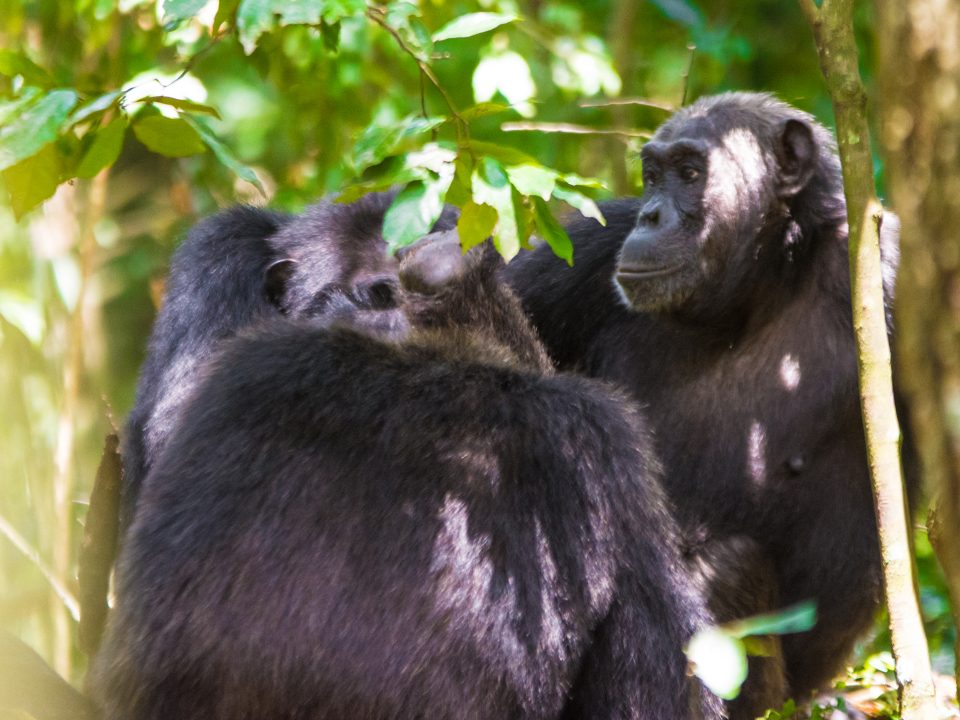
- Grooming
- Calling
- Social interactions
- Nesting behaviour
- Movement between different areas
This makes habituation particularly interesting for travelers who want a deeper understanding of chimpanzee behaviour.
How Much Does Chimpanzee Tracking Cost?
Chimpanzee permit prices depend on nationality and the applicable UWA tariff for your travel date.
Under the UWA July 2024–June 2026 conservation tariff, Kibale chimpanzee tracking was listed at:
- USD 250 for foreign non-residents
- USD 200 for foreign residents
- UGX 180,000 for East African citizens
The same tariff listed Chimpanzee Habituation Experience at:
- USD 300 for foreign non-residents
- USD 250 for foreign residents
- UGX 250,000 for East African citizens.
Because UWA tariffs can change, travelers should confirm the applicable rate for their exact travel date before booking.
The permit is also only one part of the total safari cost. Accommodation, transportation, meals, fuel and additional activities may be charged separately or included in a complete safari package.
Which Is Better: Tracking or Habituation?
Neither experience is universally better. The right choice depends on what you want from your Uganda safari.
Choose Chimpanzee Tracking If:
- This is your first chimpanzee experience.
- You have limited time.
- You want a shorter forest activity.
- You want to combine chimpanzees with other safari experiences.
- You prefer a more affordable option.
Standard tracking is suitable for many travelers because it provides an excellent opportunity to encounter chimpanzees without requiring an entire morning or extended period in the forest.
Choose Habituation If:
- You are passionate about primates.
- You enjoy wildlife photography.
- You want more time observing chimpanzee behaviour.
- You are interested in conservation and research.
- You do not mind spending longer in the forest.
- You want a more immersive experience.
Habituation is particularly attractive to repeat visitors and wildlife enthusiasts who want more than a conventional chimpanzee trek.
Is Chimpanzee Habituation More Difficult?
It can be more physically demanding simply because you spend more time in the forest.
Both experiences involve walking through rainforest terrain, and the chimpanzees may move over considerable distances.
Kibale can also be muddy during rainy periods.
UWA states that chimpanzee tracking and habituation take place throughout the year and notes that the rainy season can provide good tracking conditions despite muddy trails.
Good hiking shoes, comfortable clothing and reasonable physical preparation are therefore important for either experience.
Can You Combine Chimpanzee Tracking With Gorilla Trekking?
Yes.
One of the most popular Uganda safari combinations is chimpanzee trekking in Kibale and gorilla trekking in Bwindi.
A safari can also include Queen Elizabeth National Park between the two destinations.
For example:
Day 1: Entebbe – Kibale
Day 2: Chimpanzee tracking
Day 3: Kibale – Queen Elizabeth
Day 4: Game drive and Kazinga Channel boat cruise
Day 5: Queen Elizabeth – Bwindi
Day 6: Gorilla trekking
Day 7: Bwindi – Lake Bunyonyi or Entebbe
The itinerary can be shortened or extended depending on your travel dates and interests.
What Should You Pack for Chimpanzee Tracking or Habituation?
Regardless of which experience you choose, proper preparation is important.
Consider packing:
- Waterproof hiking shoes
- Long trousers
- Long-sleeved shirt
- Rain jacket
- Insect repellent
- Drinking water
- Small backpack
- Camera
- Extra batteries or power bank
- Lightweight snacks where permitted
A walking stick can also be useful on muddy or uneven trails.
When Is the Best Time for Chimpanzee Tracking?
Chimpanzee tracking and habituation are available throughout the year.
UWA notes that the rainy season can be a good time for tracking, although trails may become muddy. During dry periods, chimpanzees may move deeper into the forest in search of food.
Therefore, the best time depends not only on chimpanzee activity but also on your preferred weather conditions and overall Uganda safari itinerary.
Frequently Asked Questions
What is the main difference between chimpanzee tracking and habituation?
The main difference is the amount of time spent observing the chimpanzees. Standard tracking allows a maximum of one hour of viewing, while habituation allows up to four hours under current UWA guidelines.
Is chimpanzee habituation more expensive?
Yes. The UWA July 2024–June 2026 tariff listed habituation at a higher price than standard chimpanzee tracking. Current rates should be confirmed for your travel date.
Is chimpanzee tracking suitable for first-time visitors?
Yes. Standard chimpanzee tracking is a good option for travelers who want to experience chimpanzees without committing to the longer habituation experience.
Is habituation better for photographers?
It can be particularly useful for photographers because the longer viewing period provides more time to observe chimpanzee behaviour and changing forest conditions.
Can I do chimpanzee habituation in Kibale?
Yes. Kibale National Park offers the Chimpanzee Habituation Experience, and UWA lists it as one of the park’s chimpanzee activities.
Can chimpanzee tracking be combined with gorilla trekking?
Yes. Kibale and Bwindi can be combined into one Uganda primate safari, often with Queen Elizabeth National Park included along the route.
How to Book a Chimpanzee Safari With Chimp Homes Uganda Safaris

Chimpanzee Tracking and Habituation:
At Chimp Homes Uganda Safaris, we can organize chimpanzee tracking or chimpanzee habituation as part of a customized Uganda safari.
Depending on your interests, your itinerary can include:
- Chimpanzee tracking in Kibale
- Chimpanzee habituation
- Gorilla trekking in Bwindi
- Queen Elizabeth wildlife safaris
- Kazinga Channel boat cruises
- Lake Bunyonyi
- Birding experiences
- Cultural experiences
Whether you are looking for a short chimpanzee safari or a longer Uganda primate adventure, we can help arrange the permits, accommodation, transportation and other safari services according to your travel plans.
Contact Chimp Homes Uganda Safaris
Call/WhatsApp: +256 742 874045 / +256 703 903243
Email: info@chimphomesafaris.com
Website: chimphomesafaris.com