The Top 10 Things to Know Before Visiting Rwanda
June 19, 2026
Ultimate Guide to Cheap Places in Uganda
June 21, 2026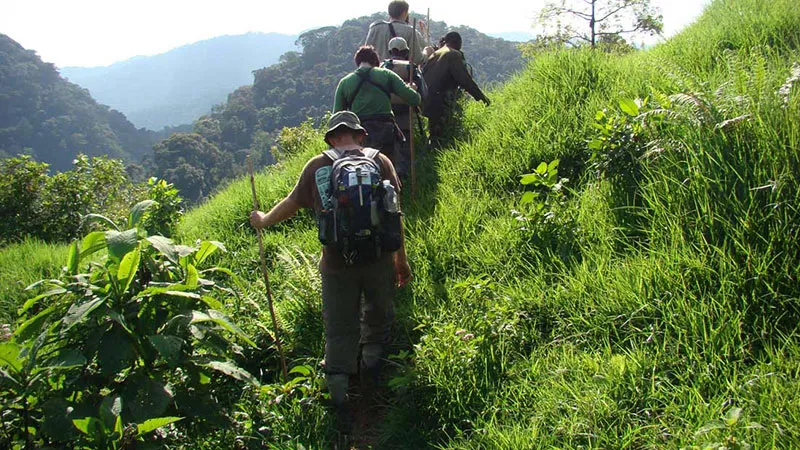
Ultimate Mount Bisoke Packing Guide
Ultimate Mount Bisoke Packing Guide- Planning to hike Mount Bisoke in Rwanda? Packing the right gear is one of the most important steps for a safe and enjoyable adventure. Although Mount Bisoke is one of the most popular volcano hikes in East Africa, it is not an easy walk. The trail is steep in places, often muddy, and the weather can change quickly.
Whether you are hiking during the dry season or the rainy season, having the right clothing and equipment will make your experience far more comfortable. This guide explains exactly what to pack for the Mount Bisoke hike, what to wear, what to carry in your daypack, and useful tips to help you prepare for one of Rwanda’s most rewarding hiking adventures.
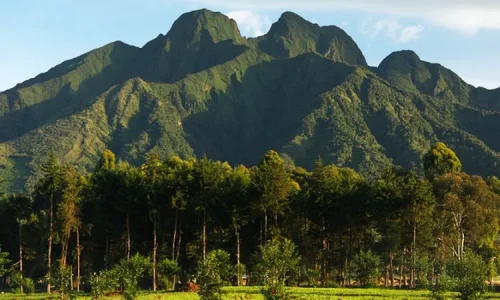
Mount Bisoke
Why Packing Properly Matters
Before starting your hike, it is important to understand the mountain conditions.
Mount Bisoke rises to an altitude of 3,711 meters (12,175 feet) inside Volcanoes National Park. As you climb higher, temperatures become cooler, trails become steeper, and rain can arrive unexpectedly.
Therefore, packing the right gear helps you:
- Stay comfortable throughout the hike.
- Protect yourself from rain and mud.
- Prevent blisters and injuries.
- Carry enough food and water.
- Enjoy the hike with confidence.
What to Wear for the Mount Bisoke Hike
Choosing suitable clothing is just as important as packing the right equipment.
Wear Layered Clothing
Mountain weather changes quickly.
Instead of wearing one heavy jacket, dress in layers.
A good combination includes:
- Moisture-wicking base layer
- Warm fleece or light sweater
- Waterproof jacket
This allows you to adjust your clothing as temperatures change during the hike.
Mount Bisoke
Choose Lightweight Hiking Pants
Long hiking trousers are recommended because they protect your legs from:
- Mud
- Stinging plants
- Branches
- Insects
Convertible hiking trousers are also a good option for added flexibility.
Wear Moisture-Wicking Shirts
Synthetic hiking shirts are ideal because they:
- Dry quickly
- Keep sweat away from your skin
- Improve comfort during long climbs
Avoid cotton clothing since it absorbs moisture and stays wet for longer.
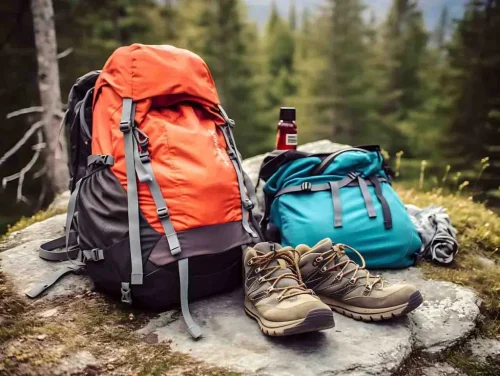
Waterproof Hiking Boots
Good hiking boots are one of the most important items you will need.
Choose boots that provide:
- Waterproof protection
- Strong grip
- Good ankle support
Most importantly, wear your boots before the hike to break them in and reduce the risk of blisters.
Hat and Sunglasses
Although much of the trail passes through forest, open sections can become sunny.
Bring:
- A wide-brimmed hat or cap
- UV-protection sunglasses
These help protect you from direct sunlight.
What to Carry in Your Daypack
A comfortable backpack makes carrying your essentials much easier.
Lightweight Daypack
Choose a backpack that is:
- Lightweight
- Comfortable
- Water-resistant
- Large enough for your essentials
Avoid carrying unnecessary weight because every extra kilogram becomes noticeable during the climb.
Drinking Water
Hydration is essential.
Carry at least:
- 2 litres of drinking water
Depending on your pace and weather conditions, you may require slightly more.
Energy Snacks
The climb requires plenty of energy.
Pack snacks such as:
- Energy bars
- Chocolate
- Bananas
- Dried fruit
- Nuts
These provide quick energy during rest stops.
Compact First Aid Kit
Although guides carry emergency equipment, a personal first aid kit is always useful.
Include:
- Adhesive bandages
- Blister plasters
- Pain relievers
- Antiseptic wipes
- Personal medication
Personal Essentials
Don’t forget:
- Camera
- Mobile phone
- Power bank
- Passport copy
- Hiking permit (through your tour operator)
- Small amount of cash for porter tips
Essential Hiking Gear
Besides clothing, several items improve comfort during the hike.
Waterproof Rain Jacket
Rain showers can happen without warning.
A lightweight waterproof jacket should always be in your backpack.
Hiking Gloves
Light gloves help when:
- Holding vegetation
- Climbing steep sections
- Protecting your hands from nettles
Many experienced hikers consider gloves essential.
Walking Stick
Although walking sticks are often provided near the park headquarters, bringing your own trekking poles can improve balance on muddy slopes.
They also reduce pressure on your knees during the descent.
Gaiters (Optional)
During the rainy season, gaiters help keep:
- Mud
- Water
- Small stones
out of your hiking boots.
Best Time to Hike Mount Bisoke
Mount Bisoke can be climbed throughout the year.
However, weather conditions vary.
Dry Season
The best months include:
- June to September
- December to February
During this period:
- Trails are less muddy.
- Hiking conditions improve.
- Visibility is usually better.
Rainy Season
Rainy months include:
- March to May
- October to November
Although the scenery becomes greener, trails are often slippery and require extra caution.
Important Tips Before Your Hike
Preparation goes beyond packing.
Before your adventure:
- Check the weather forecast.
- Get enough sleep the night before.
- Eat a healthy breakfast.
- Carry sufficient drinking water.
- Pace yourself throughout the climb.
- Listen carefully to your guide.
- Stay on marked trails.
- Respect wildlife and vegetation.
Remember that Mount Bisoke is a protected conservation area.
Responsible hiking helps preserve the park for future visitors.
Frequently Forgotten Items
Many first-time hikers forget small items that make a big difference.
Consider packing:
- Lip balm
- Sunscreen
- Insect repellent
- Extra camera batteries
- Waterproof phone pouch
- Small towel
- Spare socks
These simple additions can greatly improve your comfort.
Frequently Asked Questions
How difficult is the Mount Bisoke hike?
The hike is considered moderately challenging to difficult due to its steep sections, high altitude, and muddy trails.
How long does the hike take?
Most hikers complete the round trip in approximately 6–8 hours, depending on fitness and trail conditions.
Do I need a guide?
Yes. All Mount Bisoke hikes are conducted with experienced park guides.
Can beginners hike Mount Bisoke?
Yes. Beginners with reasonable fitness can complete the hike by maintaining a steady pace and taking regular breaks.
Is Mount Bisoke worth hiking?
Absolutely. The spectacular crater lake at the summit, volcanic scenery, and views of the Virunga Mountains make it one of Rwanda’s most rewarding hikes.
How to Book a Mount Bisoke Hiking Safari with Chimp Homes Uganda Safaris

Weekend Getaways
Chimp Homes Uganda Safaris offers professionally guided Mount Bisoke hiking tours, gorilla trekking adventures, wildlife safaris, and tailor-made Rwanda itineraries for solo travelers, couples, families, and groups.
Booking Your Adventure
- Contact our safari experts with your preferred travel dates.
- Receive a customized itinerary based on your interests and budget.
- Confirm your booking with a deposit.
- Receive pre-trip guidance, including packing recommendations and travel information.
- Arrive in Rwanda ready to enjoy a safe, memorable, and well-organized hiking experience.
With Chimp Homes Uganda Safaris, you can combine the Mount Bisoke hike with gorilla trekking, golden monkey tracking, chimpanzee trekking, or a wildlife safari in Akagera National Park for the ultimate Rwanda adventure
Contact Us Today
Call/WhatsApp: +256742874045 / +256703903243
Email: info@chimphomesafaris.com
Gmail: chimphomesugandasafaris@gmail.com