Where Can You See Lions in Uganda? Uganda Safaris
November 6, 2026
Can You See Leopards on a Uganda Safari?
Can You See Leopards on a Uganda Safari?- Uganda is one of Africa’s rewarding safari destinations, offering visitors opportunities to explore beautiful national parks and encounter some of the continent’s most fascinating wildlife. Among the animals that make a Uganda safari special is the African leopard, a powerful and beautiful big cat known for its spotted coat, remarkable climbing ability and secretive behaviour.
If you are planning a wildlife holiday and wondering whether you can see leopards on a Uganda safari, the answer is yes. Leopards live in several of Uganda’s national parks, including Murchison Falls, Queen Elizabeth, Kidepo Valley and Lake Mburo National Parks.
However, unlike elephants, buffaloes and some other savannah animals, leopards are difficult to find. They are solitary, well camouflaged and mostly active at night, making every sighting a special experience.
In this guide, we explore where to see leopards in Uganda, the best time to look for them, what makes them difficult to spot and how to combine leopard viewing with other exciting safari activities.

Queen Elizabeth vs Murchison Falls Safaris
Where Can You See Leopards in Uganda?
Leopards are found in several protected areas across Uganda. According to Uganda’s 2026 State of Wildlife Resources report, suitable leopard populations are found in seven national parks, including:
- Murchison Falls National Park
- Queen Elizabeth National Park
- Kidepo Valley National Park
- Lake Mburo National Park
- Kibale National Park
- Semuliki National Park
- Mount Elgon National Park
Although leopards occur in several parks, the chances of seeing one vary depending on the habitat, animal movements, time of day and the experience of your safari guide.
-
Murchison Falls National Park – An Important Leopard Habitat
Murchison Falls National Park is one of Uganda’s important destinations for leopard viewing.
Located in northwestern Uganda, the park is famous for its open savannah, woodland, riverine vegetation and the powerful Murchison Falls.
Its diverse habitats provide suitable conditions for leopards to hunt, hide and raise their young.
Where to Look for Leopards in Murchison Falls
The northern section of Murchison Falls, particularly the Buligi game-drive circuit, is an important area for searching for leopards.
The park’s woodland and bushland provide excellent hiding places for these secretive predators.
Leopards may be seen resting in trees, moving through the grass or crossing game-drive tracks, particularly during quieter hours.
Other Wildlife to See in Murchison Falls
Besides leopards, visitors can encounter:
- African elephants
- Lions
- African buffaloes
- Rothschild’s giraffes
- Uganda kob
- Jackson’s hartebeest
- Warthogs
- Spotted hyenas
- Various bird species
You can also enjoy a boat cruise along the Victoria Nile, visit the top of Murchison Falls and participate in guided nature experiences.
-
Queen Elizabeth National Park – Leopards Around Mweya and Kasenyi
Queen Elizabeth National Park is another excellent destination to include in a Uganda leopard safari.
Located in western Uganda, the park is famous for its diverse ecosystems, including open savannah, wetlands, crater lakes, forests and the Kazinga Channel.
These habitats support a variety of wildlife, including leopards.
Where to Look for Leopards in Queen Elizabeth
The Mweya Peninsula is particularly known for leopard presence. The surrounding vegetation and woodland provide suitable habitats where these cats can hide and hunt.
The Kasenyi Plains and other game-drive areas also offer opportunities to search for leopards.
Although daytime sightings are possible, leopards are often more active during the cooler hours of the day and at night.
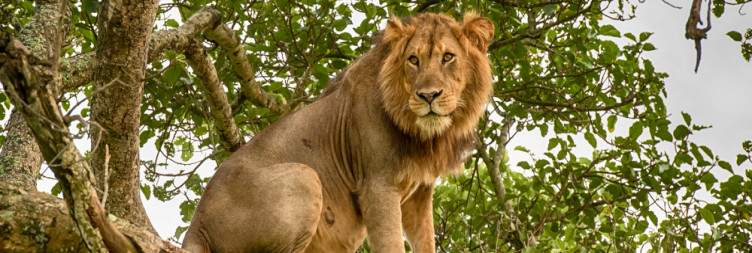
Queen Elizabeth is also famous for its tree-climbing lions in the Ishasha sector, making it an exciting destination for travelers interested in African big cats.
Other Activities in Queen Elizabeth National Park
During your visit, you can enjoy:
- Morning and evening game drives
- Kazinga Channel boat cruises
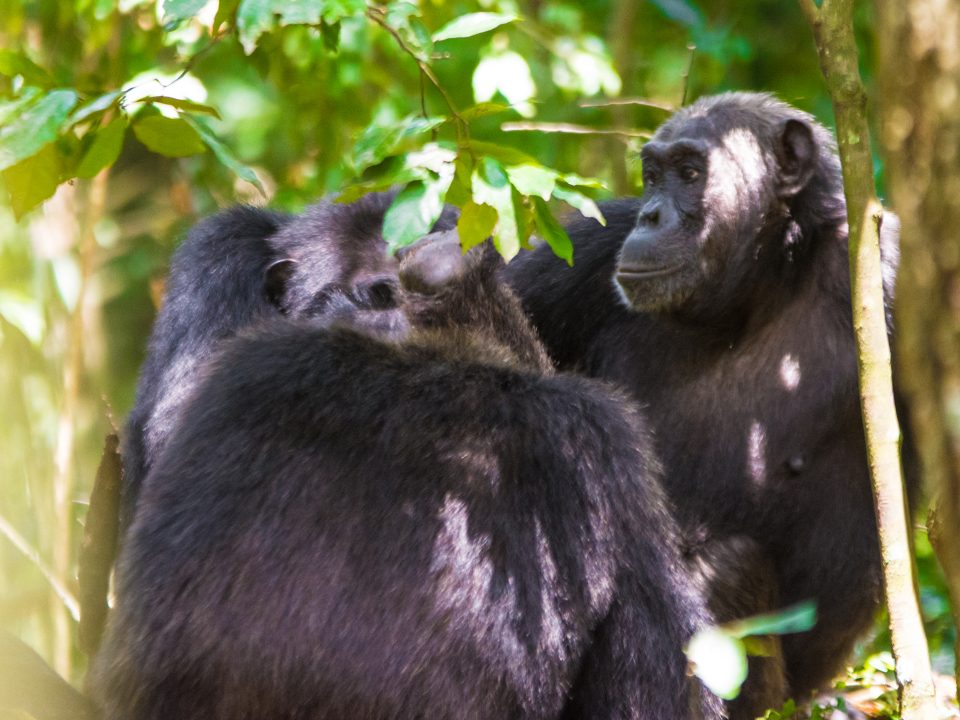
- Chimpanzee tracking in Kyambura Gorge
- Bird watching
- Nature walks in designated areas
- Community and cultural experiences
Combining leopard viewing with a Kazinga Channel boat cruise gives you an opportunity to experience different aspects of Uganda’s wildlife.
-
Lake Mburo National Park – A Good Place for Leopard Enthusiasts
Lake Mburo National Park is one of Uganda’s smallest savannah national parks, but it offers a remarkable variety of wildlife and activities.
Located in western Uganda, between Kampala and Mbarara, the park is known for its rolling hills, acacia woodland, lakes and open grasslands.
It is also an important habitat for leopards.
Why Visit Lake Mburo for Leopard Viewing?
Research on Uganda’s large carnivores has identified Lake Mburo as one of the national parks with relatively high leopard densities.
The park’s woodland and bushland provide suitable hiding places, while the presence of prey animals supports its leopard population.
Night game drives, where available and properly arranged, can offer additional opportunities to search for these mostly nocturnal animals.
During your visit, you may also encounter:
- Zebras
- Impalas
- Elands
- Topis
- African buffaloes
- Warthogs
- Hippos
- Spotted hyenas
Other Activities in Lake Mburo
Lake Mburo offers more than traditional game drives.
Visitors can enjoy:
- Guided nature walks
- Horseback riding
- Boat cruises
- Cycling safaris
- Bird watching
- Cultural experiences
For travelers looking for a combination of wildlife and outdoor adventure, Lake Mburo is an excellent addition to a Uganda safari.
-
Kidepo Valley National Park – Leopards in a Remote Wilderness
Kidepo Valley National Park is located in northeastern Uganda and is famous for its remote wilderness, beautiful landscapes and diverse wildlife.
The park features open grasslands, rocky hills, seasonal rivers and woodland habitats.
These landscapes support several carnivore species, including lions, leopards, cheetahs and spotted hyenas.
Where to Look for Leopards in Kidepo
The Narus Valley is one of the important areas to explore during game drives in Kidepo.
Its grasslands, rocky surroundings and woodland provide suitable habitats for leopards and their prey.
Leopard sightings are not guaranteed, but the park offers a rewarding wilderness experience for visitors willing to explore its different habitats.
Kidepo is particularly suitable for travelers who want to experience a quieter safari away from the more frequently visited national parks.
-
Can You See Leopards in Kibale and Semuliki?
Yes. Leopards also occur in forest and woodland environments, not just open savannah parks.
Kibale National Park and Semuliki National Park are among Uganda’s protected areas where leopard presence has been documented.
However, seeing one in these forest environments can be particularly challenging because dense vegetation makes it difficult to observe wildlife.
These parks are better known for their primates, forest elephants, birds and other forest wildlife.
If leopard viewing is your main priority, consider including savannah parks such as Murchison Falls, Queen Elizabeth, Lake Mburo or Kidepo in your itinerary.
Why Are Leopards Difficult to See on a Uganda Safari?
Although leopards live in several Ugandan national parks, they are among the most difficult large mammals to spot.
There are several reasons for this.
-
Leopards Are Mostly Active at Night
Leopards are generally more active during the night, early morning and evening.
During the hotter hours of the day, they may rest in shaded areas, dense vegetation or trees.
This makes them less visible during ordinary daytime game drives.
-
They Are Solitary Animals
Unlike lions, which often live in groups called prides, leopards are generally solitary.
They spend much of their time alone, moving quietly through their territories.
This behaviour makes it difficult for visitors to predict where they might appear.
-
Their Spotted Coats Provide Excellent Camouflage
A leopard’s rosette-patterned coat helps it blend into woodland, grass and surrounding vegetation.
Even when a leopard is relatively close, it can be difficult to notice because its markings help conceal its body.
-
They Spend Time in Trees
Leopards are excellent climbers and often rest in trees.
They may also carry their prey into branches to protect it from scavengers and competing predators.
Therefore, looking carefully at tree branches during a game drive can sometimes reveal a resting leopard.
What Is the Best Time to See Leopards in Uganda?
Uganda’s national parks can be visited throughout the year. However, the relatively dry periods are often preferred for wildlife viewing because some roads and tracks are easier to navigate.
The main drier periods are generally:
- June to September
- December to February
During these months, vegetation may be less dense in some areas, making wildlife easier to observe.
However, leopard sightings are never guaranteed, even during the dry season.
Best Time of Day for Leopard Viewing
Early morning and late afternoon are good periods to search for leopards because they are often more active during cooler hours.
Night game drives, where permitted and arranged through authorized park operators, can also improve your chances of encountering nocturnal wildlife.
Can You See Leopards During a Normal Game Drive?
Yes. Leopards can be seen during ordinary morning and afternoon game drives.
However, because they are secretive, sightings depend on patience, good observation and the experience of your guide.
During game drives, pay attention to:
- Tree branches where leopards may be resting
- Thick bushes and woodland edges
- Rocky areas and shaded spots
- Animal tracks along game-drive roads
- Areas where prey animals are commonly found
A professional guide can help identify signs of leopard activity and choose suitable areas to explore.
Can You See Leopards and Lions on the Same Uganda Safari?
Yes. Uganda offers opportunities to see both lions and leopards in several national parks.
Queen Elizabeth, Murchison Falls and Kidepo Valley are among the destinations where both species occur.
However, their behaviour and preferred habitats are different.
Lions are generally easier to locate because they often rest in open areas or move in groups. Leopards are more secretive and usually spend time alone.
A safari covering more than one national park gives you additional opportunities to encounter both big cats.
Can You See Leopards and the Other Big Five Animals in Uganda?
Yes. Uganda is home to all five members of Africa’s Big Five: lions, leopards, elephants, buffaloes and rhinoceroses.
You can search for lions, leopards, elephants and buffaloes in several national parks.
For rhinos, visit Ziwa Rhino Sanctuary, where visitors participate in guided rhino tracking experiences.
A safari combining Ziwa Rhino Sanctuary, Murchison Falls and Queen Elizabeth National Park offers opportunities to search for all five animals.
You can also extend your safari to include chimpanzee tracking in Kibale and gorilla trekking in Bwindi.
Suggested 8-Day Uganda Big Five and Gorilla Safari
If you want to see leopards while experiencing other major attractions, you can combine several national parks into one itinerary.
Here is an example of an eight-day safari:
Day 1: Arrival in Entebbe
Arrive at Entebbe International Airport and transfer to your hotel.
Day 2: Ziwa Rhino Sanctuary – Murchison Falls
Travel to Ziwa for guided rhino tracking before continuing to Murchison Falls National Park.
Day 3: Game Drive and Nile Boat Cruise
Enjoy a morning game drive in search of lions, leopards, elephants, giraffes and other wildlife. In the afternoon, enjoy a boat cruise along the Victoria Nile.
Day 4: Murchison Falls – Kibale Forest
Visit the top of Murchison Falls before travelling to Kibale Forest.
Day 5: Chimpanzee Tracking – Queen Elizabeth
Enjoy chimpanzee tracking in Kibale before transferring to Queen Elizabeth National Park.
Day 6: Game Drive and Kazinga Channel Boat Cruise
Search for lions, leopards, elephants and buffaloes during a game drive. Later, enjoy a boat cruise along the Kazinga Channel.
Day 7: Queen Elizabeth – Bwindi
Travel to Bwindi Impenetrable National Park, enjoying the beautiful countryside along the way.
Day 8: Gorilla Trekking
Enjoy an unforgettable mountain gorilla trekking experience in Bwindi.
Additional nights may be needed depending on your departure arrangements and the location of your gorilla trekking sector.
Tips for Seeing Leopards on a Uganda Safari
If seeing a leopard is one of your main safari interests, the following tips can help improve your experience:
- Choose suitable national parks: Include Murchison Falls, Queen Elizabeth, Lake Mburo or Kidepo in your itinerary.
- Book experienced safari guides: Guides familiar with the parks can help identify wildlife signs and suitable viewing areas.
- Plan multiple game drives: Spending more time in the park provides additional opportunities.
- Consider night game drives: Where permitted, these can offer better opportunities to observe nocturnal animals.
- Carry binoculars: Leopards may be resting in trees or hiding in vegetation.
- Be patient: A leopard may appear briefly, so careful observation is important.
- Respect wildlife regulations: Follow your guide’s instructions and maintain a safe distance from wild animals.
Frequently Asked Questions About Leopards in Uganda
Can you see leopards on a Uganda safari?
Yes. Leopards live in several Ugandan national parks, including Murchison Falls, Queen Elizabeth, Lake Mburo and Kidepo Valley. However, sightings are not guaranteed because they are secretive animals.
Which national park is best for seeing leopards in Uganda?
Murchison Falls and Lake Mburo have recorded relatively high leopard densities in research on Uganda’s large carnivores. Queen Elizabeth and Kidepo are also important leopard habitats.
Are leopards common in Queen Elizabeth National Park?
Leopards are present in Queen Elizabeth National Park, particularly around suitable woodland and bushland habitats. However, they are difficult to spot because they are solitary and well camouflaged.
Can I see leopards in Murchison Falls National Park?
Yes. Murchison Falls is an important leopard habitat, with sightings recorded in areas such as the Buligi game-drive circuit.
Are leopards active during the day?
Leopards can be active during the day, but they are generally more active during the night, early morning and evening.
Can I see a leopard during a night game drive?
Yes. Night game drives can offer good opportunities to search for leopards because they are often more active after dark. Availability depends on the park’s regulations and authorized arrangements.
Can I see leopards and gorillas on the same safari?
Yes. You can combine leopard viewing in Murchison Falls or Queen Elizabeth with mountain gorilla trekking in Bwindi Impenetrable National Park.
Are leopards part of the Big Five?
Yes. The African leopard is one of the Big Five, together with the lion, elephant, buffalo and rhinoceros.
Book a Uganda Leopard Safari With Chimp Homes Uganda Safaris
At Chimp Homes Uganda Safaris, we organize customized wildlife safaris across Uganda, giving travelers opportunities to explore the country’s national parks and discover its incredible wildlife.
Whether you want to search for leopards in Murchison Falls, explore Queen Elizabeth National Park, enjoy the wilderness of Kidepo or experience the wildlife of Lake Mburo, we can help organize a safari that matches your interests and budget.
Our safari packages can include:
- Leopard and lion viewing
- Big Five wildlife safaris
- Murchison Falls game drives and boat cruises
- Queen Elizabeth National Park safaris
- Lake Mburo wildlife and horseback riding
- Kidepo Valley wildlife adventures
- Chimpanzee tracking in Kibale
- Gorilla trekking in Bwindi
- Birding and nature walks
- Cultural and community experiences
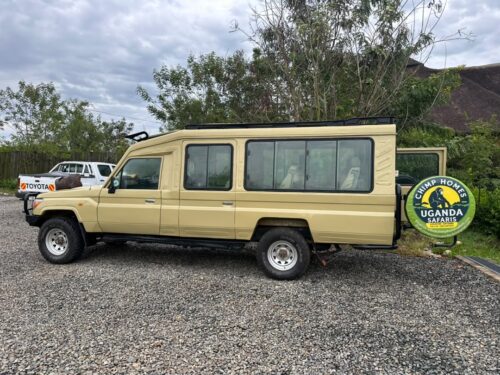
We provide customized safari itineraries, comfortable safari vehicles, professional driver-guides and accommodation options to suit different travel budgets.
Contact Chimp Homes Uganda Safaris today to plan your Uganda wildlife adventure.
Leopards on a Uganda Safari
Call/WhatsApp: +256 742 874045 / +256 703 903243
Email: info@chimphomesafaris.com
Gmail: chimphomesugandasafaris@gmail.com
Website: https://chimphomesafaris.com/