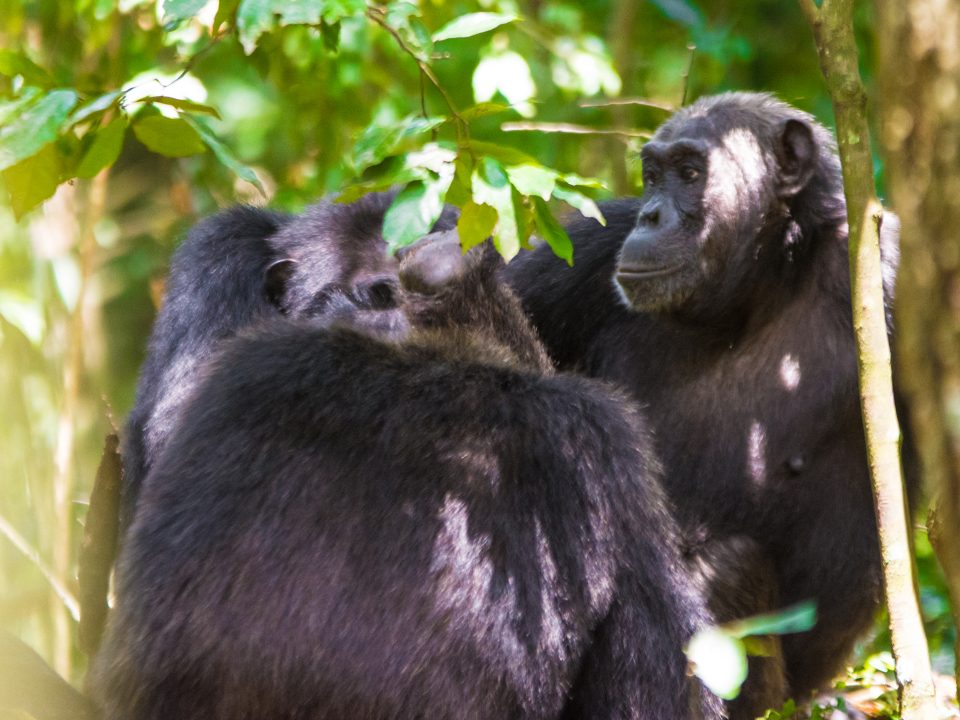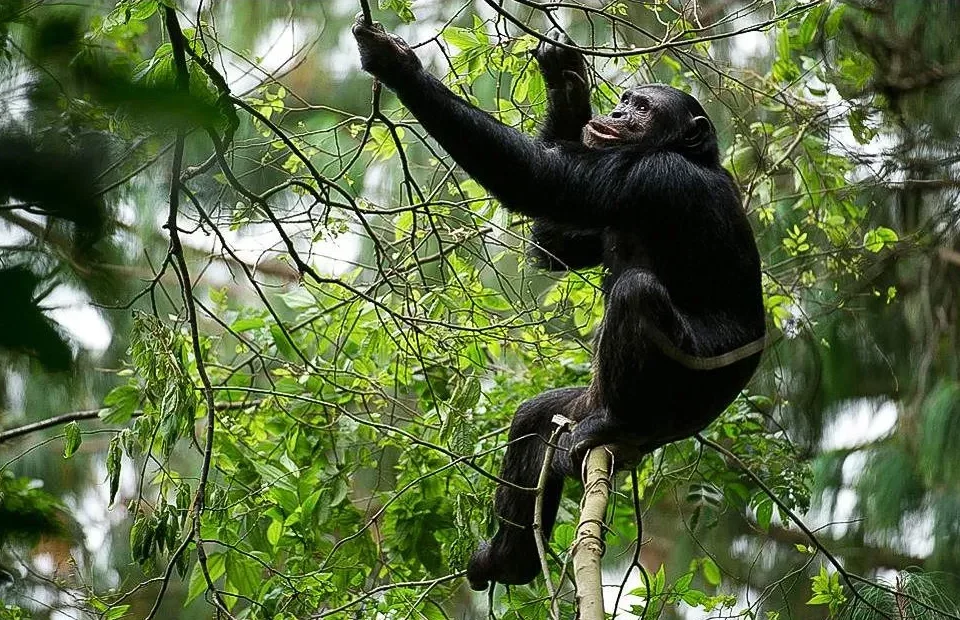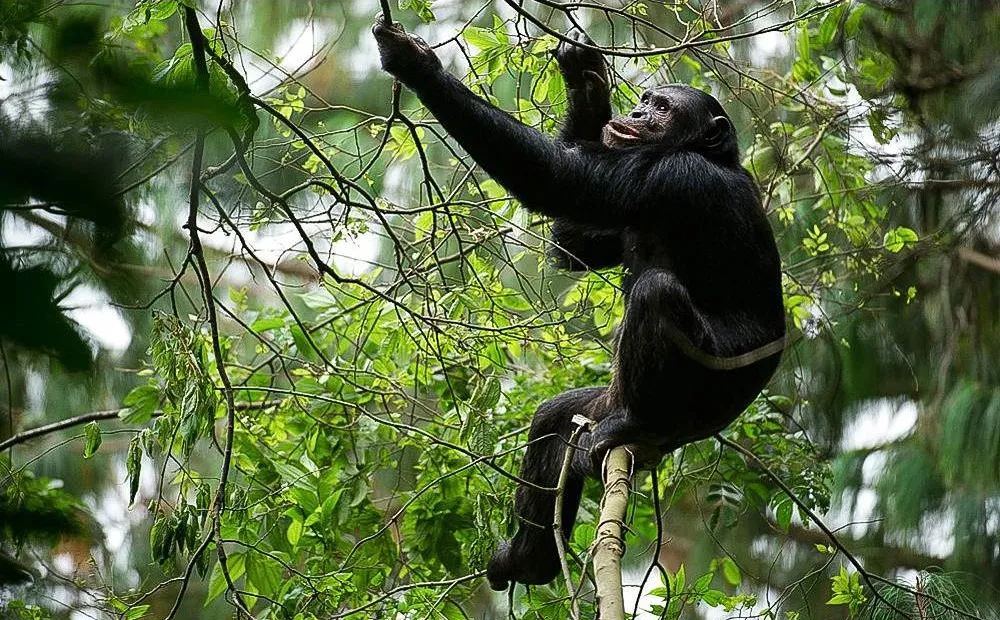
Can You See Gorillas and Chimpanzees on One Uganda Safari?
September 28, 2026
Can Families Go Gorilla Trekking in Uganda?
September 30, 2026
Can You Combine Shoebill Birding With a Uganda Safari?
Can You Combine Shoebill Birding With a Uganda Safari?- Yes. Shoebill birding can easily be combined with a Uganda safari.
In fact, adding a shoebill experience is a great way to introduce birding into a traditional Uganda wildlife itinerary.
The shoebill is one of Uganda’s most distinctive wetland birds, and travelers can search for it in several wetland habitats. Mabamba Bay Wetland near Entebbe is particularly well known for shoebill viewing, while the Nile Delta in Murchison Falls National Park, Lake Mburo and the Lake Albert area also provide opportunities. Uganda Wildlife Authority lists the shoebill among the country’s birdlife and identifies Murchison Falls as an important destination for finding this sought-after species.
Therefore, you do not need to plan a separate birding holiday just to see the shoebill.
You can simply add a birding experience to your Uganda safari.
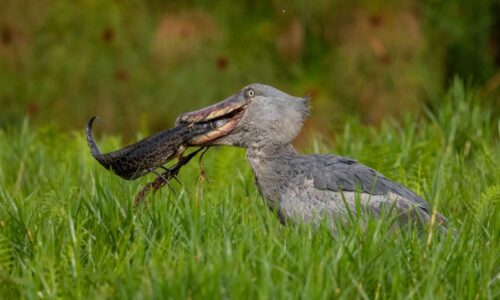
shoebill birding Uganda
Why Add Shoebill Birding to a Uganda Safari?
A typical Uganda safari may focus on animals such as elephants, lions, buffaloes, giraffes, chimpanzees or gorillas.
However, Uganda has much more biodiversity beyond large mammals.
Adding shoebill birding gives you an opportunity to experience Uganda’s wetlands and waterways while searching for one of Africa’s most unusual birds.
It also creates a nice contrast between different safari environments.
For example:
Savannah → Wetland → Forest → Mountains
A single trip can therefore include several different ecosystems.
Where Can You See Shoebills in Uganda?
There are several places where shoebills can be encountered.
Some of the most useful destinations for a safari itinerary include:
- Mabamba Bay Wetland
- Murchison Falls National Park
- Lake Mburo National Park
- Lake Albert and the surrounding wetlands
- Toro-Semliki Wildlife Reserve
However, the exact chances of seeing a shoebill depend on the habitat, season, water levels, local conditions and the movements of individual birds.
A sighting should therefore be treated as a wildlife experience rather than a guarantee.
Is Mabamba Swamp the Best Place for Shoebill Birding?
Mabamba Bay Wetland is one of the most accessible places to add shoebill birding to a Uganda itinerary, especially for travelers arriving through Entebbe.
Mabamba is located relatively close to Entebbe and Kampala, making it particularly convenient at the beginning or end of a safari.
A Uganda Wildlife Authority bird monitoring report describes Mabamba Bay as an extensive marsh dominated by papyrus and other wetland vegetation. The report also identifies the shoebill as one of the site’s important conservation-interest species and notes that visitors explore the wetland by motorized canoe.
This makes Mabamba particularly convenient for travelers with limited time.
How Does Shoebill Birding at Mabamba Work?
A typical Mabamba experience involves traveling by boat or canoe through the wetland channels.
Rather than driving through a national park, you explore the waterways while looking for wetland birds.
The experience may include sightings of:
- Shoebills
- African jacanas
- Kingfishers
- Herons
- Egrets
- Ducks
- Other wetland species
The exact species encountered will depend on the season and conditions.
The shoebill is usually the main attraction, but it is not the only bird worth watching.
Why Is Mabamba Good for a Safari Starting in Entebbe?
Mabamba is particularly convenient because of its location near Entebbe.
This means you can potentially combine it with:
- Entebbe arrival
- Airport transfer
- Uganda wildlife safari
- Gorilla trekking
- Chimpanzee trekking
- Jinja adventure
- Departure from Entebbe
For example:
Arrival in Entebbe → Mabamba Shoebill → Murchison Falls → Kibale → Queen Elizabeth → Bwindi → Entebbe
This creates a diverse Uganda safari without requiring a separate trip specifically for birding.
Can You Combine Mabamba Shoebill Birding With Gorilla Trekking?
Yes.
This is an excellent combination for travelers interested in both birds and primates.
A sample route could be:
Entebbe → Mabamba → Bwindi → Lake Bunyonyi → Queen Elizabeth → Entebbe
You could begin with shoebill birding before continuing toward southwestern Uganda for gorilla trekking.
Afterward, you can add wildlife viewing and a boat cruise in Queen Elizabeth National Park.
This is particularly suitable for travelers who want a combination of:
Birding + Gorillas + Wildlife
Can You Combine Shoebill Birding With Chimpanzee Trekking?
Yes.
Kibale National Park can be added to a shoebill-focused itinerary.
For example:
Entebbe → Mabamba → Kibale → Queen Elizabeth → Bwindi → Entebbe
This route allows you to experience:
- Shoebill birding
- Chimpanzee trekking
- Forest birding
- Wildlife viewing
- Gorilla trekking
A longer itinerary can therefore combine some of Uganda’s most sought-after wildlife experiences.
Can You See Shoebills in Murchison Falls National Park?
Yes.
Murchison Falls National Park is another important destination for shoebill enthusiasts.
The Nile Delta, where the Victoria Nile meets Lake Albert, contains extensive wetland habitat.
UWA specifically highlights delta boat cruises as an opportunity to explore wetland islands and channels where shoebills can be seen. UWA’s park information notes that the shoebill is particularly sought after in the delta.
This means you can combine a traditional Murchison Falls safari with specialized birding.
What Is the Best Way to See a Shoebill in Murchison Falls?
A boat excursion toward the Nile Delta can be particularly useful for birding.
Instead of focusing only on the waterfall area, travelers can explore the wetlands around the river’s outlet toward Lake Albert.
The delta contains waterbird habitat, making it a different experience from the savannah game-drive areas of the park.
You can therefore combine:
Morning game drive + afternoon delta boat excursion
depending on your itinerary and available time.
Can You See Shoebills in Lake Mburo National Park?
Yes.
Lake Mburo is another interesting destination for birders.
UWA identifies the Mburo-Nakivali wetland system as a Ramsar wetland of international importance and notes that it supports globally threatened bird species, including the shoebill.
Lake Mburo is also useful for shorter Uganda safari itineraries because of its location between Kampala/Entebbe and southwestern Uganda.
Therefore, travelers heading toward Bwindi can potentially include Lake Mburo as part of a longer route.
What About Toro-Semliki Wildlife Reserve?
Toro-Semliki is another destination worth considering for travelers interested in birding.
UWA notes that the reserve has around 440 bird species and that shoebills are usually sighted in the marshes around Lake Albert. The reserve also offers a boat ride on Lake Albert where shoebills and other bird species can be encountered.
This destination is particularly interesting for serious birders who want to explore more specialized habitats.
It can also be combined with chimpanzee and other wildlife experiences in the broader western Uganda region.
What Other Birds Can You See While Looking for Shoebills?
One of the advantages of shoebill birding is that you rarely focus on only one species.
Wetlands can support many other birds.
Depending on the location, you may encounter:
- African jacana
- Kingfishers
- Herons
- Egrets
- Ducks
- Darters
- Pelicans
- Storks
- Marsh harriers
- Bee-eaters
For example, UWA’s information on the Lake Albert area highlights shoebills alongside species such as African pygmy goose, bee-eaters and blue-headed coucal.
This makes the experience worthwhile even when the shoebill remains the main target.
What Is the Best Time for Shoebill Birding in Uganda?

Birding Safaris
Uganda can be visited for birding throughout the year.
UWA states that Uganda is suitable for bird watching year-round, although rainfall can affect roads, trails and birding conditions.
From a birding perspective, UWA identifies late May through September as a generally favorable period, when rainfall is lower in many areas and food availability can be good. UWA also identifies December and January as useful months for birding.
For shoebill sightings specifically, local conditions and bird movements remain important.
Therefore, your safari operator or birding guide should check current local conditions when planning the excursion.
How Long Does Shoebill Birding Take?
The length depends on the location.
Mabamba Swamp
A half-day excursion can work well, especially when the activity is being added to an Entebbe itinerary.
Murchison Falls
A delta boat excursion can be incorporated into a longer national park safari.
Lake Mburo
Birding can be combined with game drives and other park activities.
Toro-Semliki
Birders may want additional time because the area offers a broader range of habitats and bird species.
If the shoebill is your main target, allowing sufficient time is useful because wildlife sightings cannot be guaranteed.
Can You Combine Shoebill Birding With a Classic Uganda Safari?
Absolutely.
One of the easiest approaches is to add birding to a traditional wildlife itinerary.
For example:
Day 1: Entebbe – Mabamba Shoebill
Day 2: Travel to Murchison Falls
Day 3: Game drive and Nile boat cruise
Day 4: Murchison – Kibale
Day 5: Chimpanzee trekking
Day 6: Kibale – Queen Elizabeth
Day 7: Game drive and Kazinga Channel cruise
Day 8: Queen Elizabeth – Bwindi
Day 9: Gorilla trekking
Day 10: Bwindi – Entebbe
This is only an example.
The route can be shortened or extended depending on your interests and available time.
Can You Start With Shoebill Birding and End in Entebbe?
Yes.
Mabamba is particularly useful at the beginning or end of a Uganda safari because of its proximity to Entebbe.
For example, you could finish your safari with:
Bwindi → Lake Mburo → Mabamba → Entebbe
This allows you to enjoy a final birding experience before your international departure.
However, travelers with an early flight should allow sufficient time for the transfer to the airport.
Can You Start a Uganda Safari in Kigali and Add Shoebill Birding?
Yes.
Travelers arriving in Kigali can cross into Uganda and complete a safari before finishing in Entebbe.
For example:
Kigali → Bwindi → Queen Elizabeth → Kibale → Murchison Falls → Mabamba → Entebbe
This is a longer itinerary, but it combines Rwanda arrival logistics with several of Uganda’s major wildlife and birding destinations.
Alternatively, shoebill birding at Mabamba can be added toward the end of the journey.
Is Shoebill Birding Suitable for First-Time Safari Travelers?
Yes.
You do not need to be an expert birder to enjoy a shoebill excursion.
The bird’s distinctive appearance makes it a particularly exciting species for beginners.
A knowledgeable guide can also help you identify other birds encountered during the trip.
Therefore, even travelers who have never been birding before can add a shoebill experience to a conventional Uganda safari.
Is Shoebill Birding Good for Families?
It can be.
A boat-based wetland excursion can provide a different experience from long game drives.
Families can combine the activity with other attractions depending on the children’s ages and the overall itinerary.
However, the specific boat operator, safety arrangements and weather conditions should always be considered when planning a family excursion.
Is Shoebill Birding Good for Couples?
Yes.
Couples can easily add Mabamba to a Uganda safari.
For example:
Entebbe → Mabamba → Bwindi → Lake Bunyonyi → Queen Elizabeth → Kibale → Entebbe
This route combines birding, gorillas, scenic landscapes, wildlife and chimpanzees.
It can also be customized for mid-range, luxury or more budget-conscious travel.
What Should You Bring for Shoebill Birding?
A few simple items can make the experience more comfortable.
Consider packing:
- Binoculars
- Camera
- Telephoto lens
- Hat
- Sunglasses
- Sunscreen
- Insect repellent
- Lightweight clothing
- Rain jacket
- Drinking water
- Small backpack
Binoculars are particularly useful because birds may remain some distance from the boat.
A camera with a good zoom lens can also help with photography without disturbing the birds.
How Should You Behave Around Shoebills?
Responsible birding is important.
Shoebills and other wetland birds should be observed without unnecessary disturbance.
Follow your guide’s instructions and avoid:
- Chasing birds
- Making excessive noise
- Approaching nests
- Feeding wildlife
- Throwing objects to attract birds
- Leaving rubbish in the wetland
The goal is to observe the birds while minimizing the impact of tourism.
UWA emphasizes sustainable management of Uganda’s wildlife and protected areas, making responsible visitor behavior an important part of the safari experience.
What Is the Best Uganda Safari for Shoebill Birding?
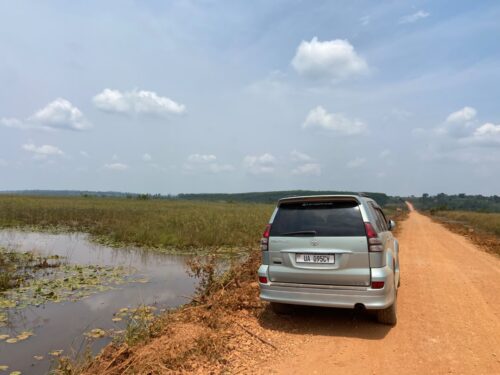
shoebill birding Uganda
There is no single itinerary that works for every traveler.
If the shoebill is your main priority, Mabamba can be a convenient choice, especially when your safari begins or ends around Entebbe.
If you also want classic wildlife, consider:
Mabamba + Murchison Falls
If you want primates:
Mabamba + Kibale + Bwindi
If you want wildlife and gorillas:
Mabamba + Queen Elizabeth + Bwindi
If you are a serious birder:
Mabamba + Murchison Falls + Semliki
The best combination depends on your available time and the other experiences you want to include.
Sample 6-Day Shoebill and Uganda Safari
For travelers with limited time, a shorter itinerary can still combine birding and wildlife.
Day 1: Entebbe – Mabamba Swamp – Entebbe
Enjoy a shoebill birding excursion at Mabamba before relaxing in Entebbe.
Day 2: Entebbe – Lake Mburo
Travel toward Lake Mburo National Park.
Day 3: Lake Mburo Safari
Enjoy a game drive and birding experience before continuing toward southwestern Uganda.
Day 4: Lake Mburo – Bwindi
Travel toward Bwindi Impenetrable National Park.
Day 5: Gorilla Trekking
Spend the day trekking in search of a habituated mountain gorilla family.
Day 6: Bwindi – Entebbe
Begin the journey back toward Entebbe.
This itinerary is an example and can be adjusted according to gorilla permit availability and flight schedules.
Sample 8-Day Shoebill and Wildlife Safari
For travelers who want more wildlife, a longer itinerary could include:
Day 1: Entebbe – Mabamba Shoebill
Explore Mabamba Bay Wetland and search for the shoebill.
Day 2: Entebbe – Murchison Falls
Travel north toward Murchison Falls National Park.
Day 3: Game Drive and Nile Boat Cruise
Enjoy wildlife viewing and a boat excursion.
Day 4: Murchison Falls – Kibale
Travel toward Kibale Forest.
Day 5: Chimpanzee Trekking
Enjoy chimpanzee trekking in Kibale.
Day 6: Kibale – Queen Elizabeth
Continue to Queen Elizabeth National Park.
Day 7: Wildlife and Kazinga Channel
Enjoy a game drive and boat cruise.
Day 8: Queen Elizabeth – Entebbe
Return toward Entebbe for your departure.
Frequently Asked Questions
Can you combine shoebill birding with a Uganda safari?
Yes. Shoebill birding can be added to wildlife, gorilla, chimpanzee and other Uganda safari itineraries.
Where is the best place to see a shoebill in Uganda?
Mabamba Bay Wetland is one of the most accessible places to organize a dedicated shoebill experience, particularly for travelers staying around Entebbe or Kampala. Murchison Falls, Lake Mburo and the Lake Albert region also offer opportunities.
Can I see a shoebill at Mabamba Swamp?
Yes. The shoebill is the main attraction for many visitors to Mabamba Bay Wetland. However, sightings depend on local conditions and bird movements.
Can I combine a shoebill experience with gorilla trekking?
Yes. Mabamba can be combined with Bwindi or Mgahinga gorilla trekking.
Can I combine shoebill birding with chimpanzee trekking?
Yes. Mabamba and Kibale can be included in the same Uganda safari.
Can I see shoebills in Murchison Falls?
Yes. UWA identifies the Nile Delta in Murchison Falls as an important area for shoebill viewing.
What is the best time for birding in Uganda?
Birding is possible throughout the year. UWA identifies late May through September as a generally favorable period, while December and January can also offer good conditions.
How long should I spend at Mabamba?
A half-day excursion can work well for travelers who are adding Mabamba to a broader safari. Serious birders may choose to allow additional time depending on their target species.
Can I visit Mabamba before my flight from Entebbe?
Potentially, depending on your flight time. For an international departure, it is important to leave sufficient time for the excursion, transfer and airport check-in.
How to Book a Shoebill Birding and Uganda Safari With Chimp Homes Uganda Safaris

Birding Safaris
A shoebill experience can easily be incorporated into a wider Uganda wildlife safari.
Chimp Homes Uganda Safaris can customize your itinerary around the experiences that matter most to you.
You can combine:
- Shoebill birding
- Mabamba Swamp
- Gorilla trekking
- Chimpanzee trekking
- Murchison Falls
- Queen Elizabeth National Park
- Lake Mburo
- Kibale Forest
- Birding
- Boat cruises
- Cultural experiences
Whether you are a dedicated birder or simply want to see the shoebill during your first Uganda safari, we can help create an itinerary around your travel dates and budget.
To request a safari quotation, send us:
- Your travel dates
- Number of travelers
- Arrival and departure points
- Preferred activities
- Accommodation preference
- Estimated budget
Chimp Homes Uganda Safaris
WhatsApp/Phone: +256 742 874045 / +256 703 903243
Email: info@chimphomesafaris.com
Website: chimphomesafaris.com
A Uganda safari can be about much more than traditional game drives. By adding shoebill birding, you can discover Uganda’s wetlands and one of Africa’s most remarkable birds while continuing to enjoy the country’s wildlife, forests, primates and landscapes.